Understanding the Advanced Technology in Custom Sheet Metal Enclosure Production
Across a multitude of industries, the demand for specialized and protective housings is sharply on the rise. Modern technology has profoundly transformed the creation of these critical components, elevating their production to unprecedented levels of precision and efficiency. Join us as we delve into the advanced technologies that make custom sheet metal enclosure production a powerful force in today's manufacturing landscape, enabling everything from consumer electronics to complex industrial machinery.
Bringing Ideas to Life: The Journey of a Custom Sheet Metal Enclosure
The path from a digital concept to a tangible, robust enclosure is a testament to modern engineering and manufacturing. This journey involves precision, artistry, and a deep understanding of materials and processes. Before a single piece of metal is cut, careful planning ensures the final product will be perfectly suited for its intended function, whether it's protecting sensitive electronics or providing structural support.
What Makes a Custom Sheet Metal Enclosure So Important?
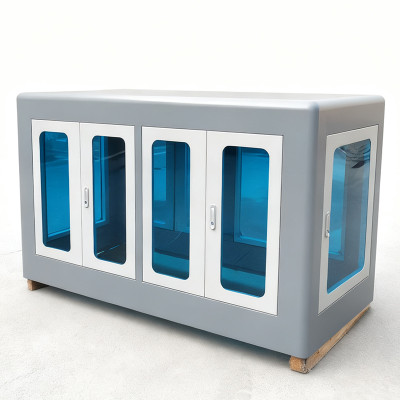
Unlike off-the-shelf options, custom sheet metal enclosures are purpose-built to meet exact specifications, offering unparalleled advantages in protection, durability, and functionality. They are the tough exoskeletons that shield the vital inner workings of countless devices and systems.
Sturdy and adaptable designs.
The primary benefit of a custom enclosure is its inherent adaptability. Made from durable metals like steel and aluminum, these enclosures are engineered to withstand tough industrial environments and other challenging conditions. This durability means that delicate and expensive equipment remains safe over the long term. Because they are custom-designed, they can be fabricated to fit into unique spaces, accommodate specific component layouts, and meet precise structural demands that a standard box simply cannot.
Keeping vital electronics and systems safe.
Sheet metal enclosures are critical for protecting sensitive electrical components from a host of environmental threats. They provide a vital shield against moisture, dust, chemicals, and extreme temperatures, all of which are essential for ensuring the normal operation and extending the lifespan of electronic devices. Furthermore, metal's conductive properties can be leveraged to provide effective shielding against electromagnetic interference (EMI) and radio frequency interference (RFI), which can disrupt electronic performance.
The Step-by-Step Making of a Custom Sheet Metal Enclosure
The creation of a custom enclosure is a multi-stage process that combines sophisticated machinery with skilled craftsmanship. Each step, from initial cutting to final finishing, is executed with precision to transform a flat sheet of metal into a complex, three-dimensional structure.

Cutting with lasers and water for perfect shapes.
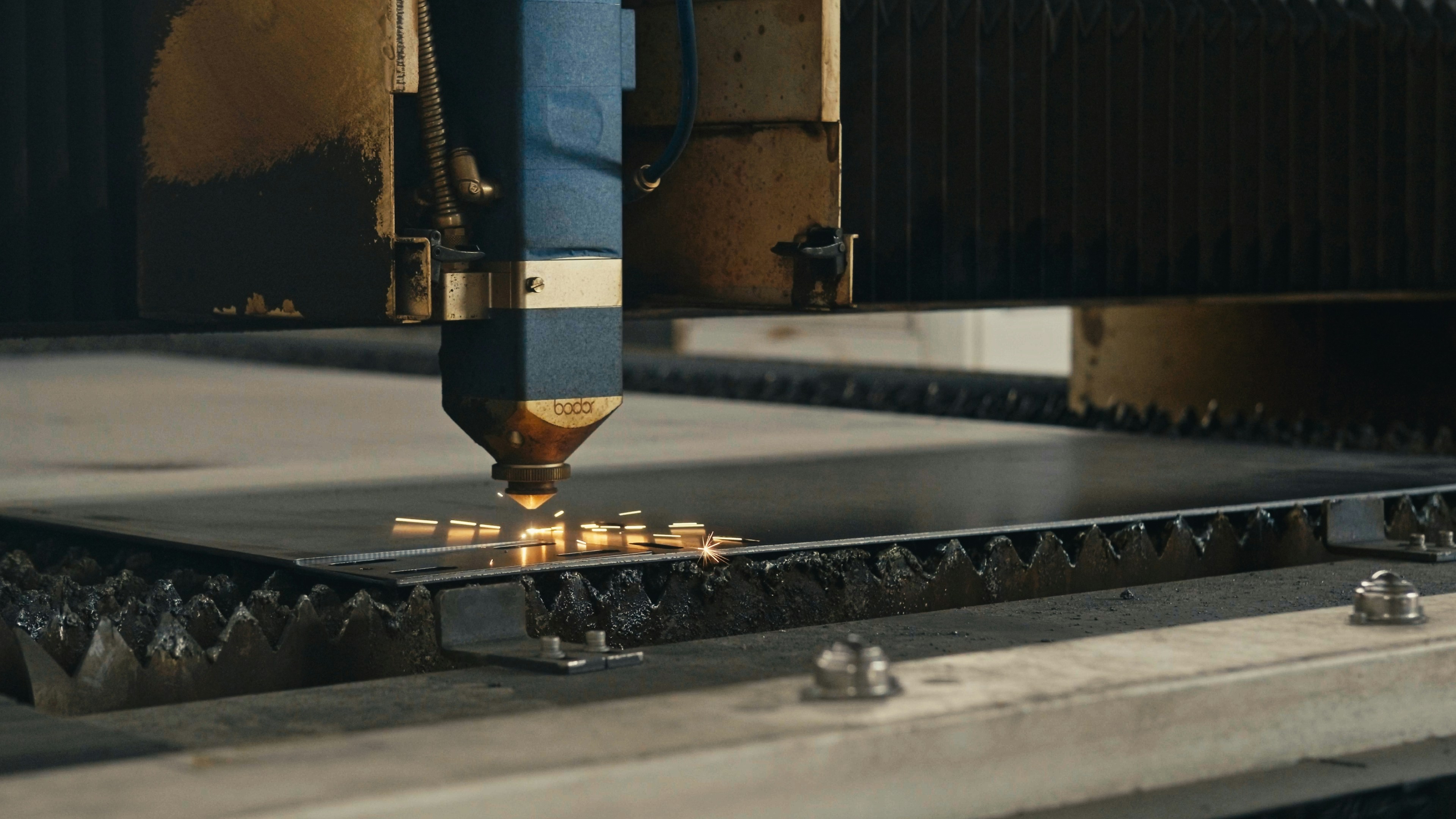
The fabrication journey almost always begins with cutting a flat blank from a large sheet of metal. Two of the most advanced and precise methods for this step are laser cutting and waterjet cutting.
- Laser Cutting: This method uses a high-powered, focused beam of light to melt, burn, or vaporize the metal, leaving an exceptionally clean and precise edge. Laser cutters are incredibly fast and can achieve very tight tolerances, often around ±0.002 inches. They are ideal for thin to moderately thick metals and can also be used for etching complex designs or part numbers.
- Waterjet Cutting: This process uses a high-pressure stream of water, often mixed with an abrasive garnet, to erode the metal. Its primary advantage is that it's a cold-cutting process, meaning there is no heat-affected zone (HAZ), which can be critical for heat-sensitive materials. Waterjets can cut through virtually any material, including very thick metals (over 6 inches), stone, and composites, that lasers cannot handle.
| Feature | Laser Cutting | Waterjet Cutting |
|---|---|---|
| Process | Thermal (focused laser beam) | Erosive (high-pressure water & abrasive) |
| Speed | Very fast on thin materials (up to 1000"/min) | Slower (1-20"/min) |
| Precision | Extremely high (tolerances of ~0.002") | High (tolerances of ~0.008") |
| Material Thickness | Best for thin to medium sheets (up to ~0.75") | Can cut very thick materials (4"+) |
| Heat Affected Zone | Yes | No |
| Material Versatility | Limited with reflective or very thick metals | Can cut almost any material |
Bending metal precisely using computer controls.
Once the flat pattern is cut, it is moved to a press brake for forming. Modern manufacturing relies on CNC (Computer Numerical Control) press brakes, which can bend metal with incredible accuracy and repeatability. The operator loads the part, and the machine's computer controls the backgauge (which positions the metal) and the ram (which pushes the punch into the die) to create bends at precise angles and locations. This technology is crucial for forming the complex geometries required for modern enclosures.
Joining parts strongly with welding methods.
For enclosures that require sealed corners or the attachment of multiple pieces, welding is employed. The choice of welding method depends on the material, thickness, and required finish.
- TIG (Tungsten Inert Gas) Welding: Known for producing high-quality, clean, and precise welds, TIG is often used for aluminum and stainless steel, especially where the weld bead will be visible and a high aesthetic is required.
- MIG (Metal Inert Gas) Welding: This method is faster than TIG and is well-suited for joining steel components. It's a cost-effective and strong solution for many structural applications.
- Riveting: As an alternative to welding, riveting uses mechanical fasteners to join sheets of metal. It's a strong and reliable method that doesn't generate heat, avoiding any potential warping of the material.
Making custom sheet metal enclosures look good and last long with finishes.
The final step is the application of a surface finish, which serves two primary purposes: protection and aesthetics. A proper finish can dramatically extend the life of an enclosure and reinforce brand identity.
- Powder Coating: This is a highly popular and durable finish where a dry powder is electrostatically applied to the metal and then cured in an oven. It creates a hard, scratch-resistant surface that is more resilient than conventional paint and is available in a vast array of colors.
- Anodizing: Used exclusively on aluminum, this electrochemical process thickens the natural, protective oxide layer on the metal's surface. It enhances corrosion and wear resistance and can be dyed in various colors.
- Plating: This involves coating the base metal (often steel) with a thin layer of another metal, like zinc or chromate, to provide excellent corrosion resistance.
- Silk Screening: To add branding, logos, safety warnings, or functional labels, silk screening can print text and images directly onto the finished surface.
Supercharging Production: Advanced Tech for Incredible Custom Sheet Metal Enclosures
The evolution of custom sheet metal fabrication is a story of technological advancement. The integration of computer-controlled systems, robotics, and innovative software has moved the industry away from manual, labor-intensive processes toward a new era of digital precision, speed, and flexibility.
How CNC Machining Boosts Custom Sheet Metal Enclosure Quality
While often associated with thick blocks of material, CNC (Computer Numerical Control) machining also plays a vital role in sheet metal fabrication, especially for adding high-precision features after the initial forming. A 4-axis or 5-axis CNC machine can produce complex geometries that would be impossible with other methods.
Ultra-precise cuts and fits for tight tolerances.
CNC machining is the key to achieving the tightest tolerances. After an enclosure is bent, a CNC mill can be used to add precisely located holes, threaded standoffs (inserts), and custom cutouts for ports, fans, and displays. This ensures that all internal components and external interfaces align perfectly, which is critical for assembly and achieving specific Ingress Protection (IP) ratings against dust and water.
Working with many different materials, from aluminum to strong plastics.
CNC machines are incredibly versatile and are not limited to one type of metal. They can accurately machine a wide range of materials commonly used for enclosures, including various grades of aluminum, stainless steel, and carbon steel. This flexibility allows designers to choose the absolute best material for the job without being constrained by manufacturing limitations.
Perfect for tricky shapes and fitting parts together.
The true power of CNC machining lies in its ability to create complex 3D shapes and features. For enclosures, this could mean milling countersinks for flush-mounted screws, creating beveled edges for a premium look and feel, or machining interlocking features that allow different parts of an enclosure to fit together seamlessly. This level of detail elevates both the function and aesthetic of the final product.
Digital Sheet Metal Forming: A Smart Way to Create Custom Enclosures
One of the most groundbreaking advancements is Digital Sheet Metal Forming (DSMF), also known as incremental forming. This technology is revolutionizing prototyping and low-volume production by eliminating the need for traditional, expensive tooling.
Making shapes without needing special tools or molds.
Traditional stamping requires a dedicated, custom-made die set for each part, which is expensive and time-consuming to create. DSMF uses a computer-controlled, rounded stylus that gradually presses the metal sheet into shape in a series of progressive passes. Because the path of the tool is controlled entirely by software, intricate and complex contours can be created directly from a CAD file without any dedicated tooling.
Saving money by manufacturing parts only when needed.
The elimination of tooling costs makes DSMF an extremely cost-effective solution for creating prototypes and small to medium-sized production runs. It enables on-demand manufacturing, where parts are produced only as needed, reducing inventory costs and waste. This flexibility is perfect for agile product development, allowing for quick design iterations without the financial penalty of creating new dies for every change.
Smart Machines and Software Making Custom Sheet Metal Enclosures Better
The foundation of modern sheet metal fabrication is the seamless integration of intelligent software and automated hardware. This digital thread runs from the initial design concept all the way to the finished product, ensuring accuracy and efficiency at every stage.
Robots working quickly and consistently.
Automation, particularly through robotics, has transformed the fabrication floor. Robotic arms are now used for a variety of tasks that demand high consistency and speed.
- Robotic Welding: Robots deliver perfectly consistent welds time after time, improving strength and appearance while increasing throughput.
- Robotic Bending: Automated press brake tending, where a robot loads and unloads parts, allows for "lights-out" manufacturing (continuous operation with minimal human oversight), significantly boosting productivity.
- Material Handling: Robots can also be used to transfer heavy or large parts between different manufacturing stations, improving safety and workflow efficiency.
Computers helping design and plan every step with accuracy.
CAD (Computer-Aided Design) and CAM (Computer-Aided Manufacturing) software are the brains behind the operation.
- CAD Software: Designers use programs like SolidWorks to create detailed 3D models of the enclosure. This software automatically unfolds the 3D model into a 2D flat pattern, calculating the precise dimensions needed for cutting and accounting for factors like bend allowance.
- CAM Software: The CAM system then takes this digital file and translates it into instructions that the CNC machines—the laser cutter, press brake, and machining centers—can understand. It optimizes the tool paths, nests parts efficiently on a sheet to minimize waste, and simulates the entire process to catch potential errors before any material is cut.
Designing Smart: Getting the Best Value from Your Custom Sheet Metal Enclosure
A successful custom enclosure project begins long before the manufacturing process. Intelligent design choices, made with manufacturability in mind, are the key to creating a high-quality product that is both functional and cost-effective. This approach, known as Design for Manufacturability (DFM), bridges the gap between the designer's intent and the fabricator's capabilities.
Thinking Ahead: Designing Custom Sheet Metal Enclosures for Easy Making
Every design decision has a direct impact on the final cost and production timeline. By understanding the constraints and capabilities of the fabrication process, designers can optimize their parts for efficiency, reducing complexity and avoiding potential issues that can lead to delays and increased expenses.
How design choices affect how much it costs to produce.
The complexity of a part is a major cost driver. Factors such as the number of bends, the type of welding required, the tightness of tolerances, and the inclusion of complex features all contribute to the manufacturing time and, consequently, the cost. A design with ten bends will naturally take longer to produce on a press brake than a design with two. Similarly, choosing an exotic material or a multi-step finish will be more expensive than using standard options.
Tips for simpler designs that save time and money.
A well-designed part is not just functional; it's also efficient to make. Here are some DFM best practices:
- Standardize: Whenever possible, use standard hole sizes, bend radii, and material thicknesses. This allows fabricators to use their existing tooling, avoiding the time and cost associated with custom setups.
- Minimize Welds: Welding is a time-consuming, manual process. Design parts that can be formed from a single piece or that use tabs and slots for self-alignment to reduce the need for extensive welding.
- Consolidate Parts: If possible, redesign multiple small parts into a single, more complex component. While the individual part may be slightly more intricate, it can eliminate downstream assembly steps, saving time and labor.
Avoiding expensive bending mistakes and rework.
Bending is a core process in sheet metal fabrication, but it's also a source of common design errors.
- Respect the Bend Radius: Every material and thickness has a minimum internal bend radius it can achieve without cracking. Designing a bend that is too tight can weaken the material and lead to part failure.
- Keep Features Away from Bends: Placing holes or other cutouts too close to a bend line will cause them to deform or stretch during the forming process. A general guideline is the "4T rule," which states that features should be kept at a distance of at least four times the material thickness away from the bend line.
- Allow for Bend Reliefs: When a bend is made close to an edge, stress can build up and cause the material to tear. Adding a small cut, known as a bend relief, at the edge of the bend line provides a designated area for this stress to be released, preventing tearing and ensuring a clean bend.
Choosing Materials wisely for your custom sheet metal enclosure
The material you choose has a profound impact on your enclosure’s performance, weight, durability, and cost. The decision should be driven by the specific requirements of the application and the environment in which it will operate.
Why aluminum is often a high-performing choice for custom sheet metal enclosures.
Aluminum, particularly alloys like 5052-H32 and 6061-T6, is a popular choice for enclosures for several reasons. It is lightweight (about one-third the weight of steel), naturally corrosion-resistant, and has excellent thermal conductivity, making it ideal for dissipating heat from electronics. It is also highly formable and weldable, offering great design flexibility.
When to use steel and important considerations.
Steel is chosen when strength, durability, and cost are the primary concerns.
- Cold-Rolled Steel (CRS): This is a strong and affordable option for indoor applications where the enclosure is not exposed to moisture. However, CRS is highly susceptible to rust and must be protected with a finish like powder coating or plating.
- Stainless Steel: Alloys like 304 and 316 stainless steel offer excellent strength and superior corrosion resistance, making them the go-to choice for harsh industrial, marine, or food-grade environments where cleanliness and resistance to chemicals are required.
- Galvanized Steel: This is carbon steel that has been coated with a layer of zinc, providing good corrosion protection for outdoor applications at a lower cost than stainless steel.
| Material | Key Advantages | Common Applications | Considerations |
|---|---|---|---|
| Aluminum | Lightweight, corrosion-resistant, high thermal conductivity | Electronics, aerospace, medical devices | Higher material cost than steel, less durable than steel |
| Cold-Rolled Steel | Strong, low cost, smooth surface | Indoor industrial controls, general-purpose brackets | Must be finished (e.g., powder coated) to prevent rust |
| Stainless Steel | Excellent corrosion resistance, high strength, hygienic | Food processing, medical equipment, marine environments | Higher cost and more difficult to machine than CRS |
| Galvanized Steel | Good corrosion resistance, cost-effective for outdoor use | Outdoor electrical boxes, HVAC components | Zinc coating can be damaged during fabrication |
Going Beyond Basic: Custom Touches for Unique Sheet Metal Enclosures
The "custom" in custom sheet metal enclosures means more than just size. It’s about integrating specific features that enhance functionality, improve usability, and reinforce brand identity. This is where a fabrication partner with advanced capabilities can truly add value.
Adding specific cutouts, holes, and threaded connections.
A truly custom enclosure is designed to interact perfectly with its internal and external components. This is achieved by incorporating features like:
- PEM® Inserts: These are threaded nuts, studs, and standoffs that are pressed into the sheet metal, providing strong and reliable connection points for mounting circuit boards (PCBs), power supplies, and other components.
- Custom Cutouts: Precisely shaped openings can be laser-cut to accommodate connectors, switches, LED indicators, fans, and ventilation patterns.
- Countersinks and Counterbores: These features allow screws to sit flush with or below the surface of the metal, creating a smooth, snag-free exterior.
Picking special colors and coatings to enhance your brand.
The finish of an enclosure is a powerful branding tool. Fabricators can apply powder coatings in any color from the RAL chart, allowing companies to perfectly match their enclosures to their established brand colors. Beyond color, custom silk screening can be used to apply high-resolution logos, product names, and instructional graphics directly onto the enclosure surface, creating a professional, retail-ready appearance.
Making custom sheet metal enclosures in unique sizes and shapes to fit exact needs.
Ultimately, the greatest advantage of custom fabrication is the freedom to break away from standard, off-the-shelf sizes. An enclosure can be designed to the exact millimeter to fit perfectly within a larger system, wrap tightly around a unique set of components, or fit into an awkward or constrained space. Whether the design calls for unusual angles, complex curves, or an unconventional footprint, advanced fabrication techniques make it possible to create a solution that is perfectly tailored to the application.
Shaping Industries: Where Custom Sheet Metal Enclosures Make a Difference
Far from being simple boxes, custom sheet metal enclosures are critical enabling components across a vast array of industries. From the sleek chassis of a consumer gadget to the rugged cabinet protecting industrial controls in a factory, these tailored solutions provide the essential combination of protection, structure, and aesthetics that modern technology demands.
Protecting Gadgets and Industrial Brains with Custom Sheet Metal Enclosures
At both ends of the technology spectrum—consumer electronics and heavy industry—custom enclosures serve as the first line of defense, ensuring reliability and performance.
Keeping consumer electronics safe, functional, and stylish.
In the world of consumer electronics, the enclosure is often the first thing a user sees and touches. Products like high-end audio amplifiers, network servers, and home automation systems rely on custom metal enclosures not just for protection, but for their premium look and feel. Aluminum enclosures are frequently used for their ability to dissipate heat and their high-end aesthetic, often enhanced with anodizing and laser-etched logos. The design must balance durability with style, providing a robust housing that also reflects the quality of the technology inside.
Shielding control systems from harsh environments, vibrations, and stress.
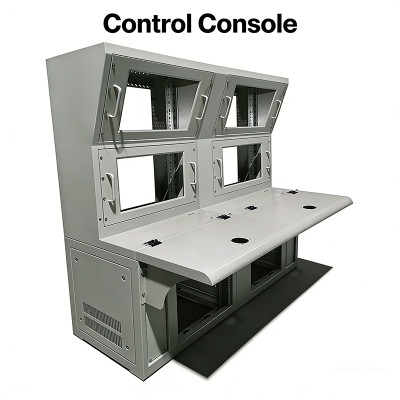
In industrial settings, the stakes are much higher. Custom sheet metal enclosures protect the 'brains' of industrial automation—Programmable Logic Controllers (PLCs), power distribution units, and motor drives—from the punishing conditions of the factory floor. These enclosures are often designed to meet specific NEMA or IP ratings to guarantee protection against dust, water, and chemicals. They are built from heavy-gauge steel to withstand vibrations and physical impacts, ensuring that critical manufacturing processes run without interruption.
Vital Parts: Custom Sheet Metal Enclosures in Key Sectors
The versatility of custom sheet metal fabrication makes it an indispensable part of product development in some of the world's most demanding and highly regulated industries.
Helping medical devices work perfectly and meet strict standards.
In the medical field, reliability is non-negotiable. Custom enclosures for medical devices—from lab analysis equipment to surgical carts—must be manufactured to exacting standards. Often made from medical-grade stainless steel or aluminum, they must be easy to clean and sterilize to prevent contamination. Furthermore, these enclosures often need to provide EMI shielding to ensure their sensitive electronics are not affected by and do not interfere with other critical equipment in a hospital environment.
Making cars and planes strong and light with custom sheet metal enclosures.
The aerospace and automotive industries are driven by the need for components that are both incredibly strong and exceptionally lightweight. Custom sheet metal parts, including brackets, housings, and structural components, are fabricated from high-strength aluminum alloys and other advanced materials. Every part is engineered and manufactured with precision to meet stringent safety and performance standards while contributing to overall fuel efficiency by minimizing weight.
Building strong structures and aesthetic features in construction.
In architecture and construction, custom sheet metal is used for both functional and aesthetic purposes. Functionally, it is used for durable roofing, custom HVAC ductwork, and protective housings for electrical systems. Aesthetically, architects use custom-fabricated panels, facades, and decorative features made from materials like copper, stainless steel, or weathering steel to create unique and visually striking buildings.
From First Idea to Full Production: Custom Sheet Metal Enclosures for Every Need
A key advantage of modern sheet metal fabrication is its scalability. Advanced, flexible manufacturing processes can efficiently support a product's entire lifecycle, from a single initial concept to mass production.
Quickly making test versions of new products (prototypes).
Rapid prototyping is essential for modern product development, allowing engineers to quickly test form, fit, and function before committing to expensive production tooling. Sheet metal prototyping is an ideal method for creating durable, functional prototypes that closely mimic the final production part. Using processes like laser cutting and CNC bending, fabricators can turn a CAD file into a physical part in a matter of days, enabling fast design iteration and validation.
Producing durable parts for other companies (OEM).
Many companies, known as Original Equipment Manufacturers (OEMs), design and sell products but outsource the manufacturing of the components. Custom sheet metal fabricators act as critical partners to OEMs, producing high-quality enclosures, panels, and brackets to their exact specifications. This partnership allows OEMs to focus on their core competencies—design and marketing—while relying on the specialized expertise of the fabricator to produce reliable parts consistently and at scale.
Finding the Right Partner for Your Custom Sheet Metal Enclosure Project
Choosing a fabrication partner is one of the most critical decisions in a project's lifecycle. The right manufacturer does more than just bend metal; they act as an extension of your engineering team, providing expertise, ensuring quality, and streamlining the entire process from start to finish. The ideal partner possesses a combination of advanced technology, deep experience, and a commitment to customer success.
Why Expert Manufacturers Excel at Custom Sheet Metal Enclosures
A top-tier manufacturer often operates as a "one-stop shop," integrating all necessary production capabilities under a single roof. This vertically integrated approach offers significant advantages over managing a fragmented supply chain with multiple vendors.
Seamless integration of all production steps, from design to finish.
A one-stop shop manages every phase of fabrication in-house, including laser cutting, CNC punching, bending, welding, hardware insertion, finishing, and assembly. This tight integration ensures a smooth and efficient workflow, where each step is perfectly coordinated with the next. For example, the team that laser cuts a part is in constant communication with the press brake and welding teams, preventing the types of errors and delays that can occur when handing off parts between different companies.
Working with one supplier means fewer problems and faster delivery times.
Consolidating your project with a single supplier dramatically simplifies project management and reduces risk.
- Faster Lead Times: Eliminating the need to ship parts between different vendors for various processes can slash weeks off a project timeline.
- Consistent Quality: With one team overseeing the entire process, quality control is more robust and consistent. There's no finger-pointing between suppliers; accountability is centralized.
- Reduced Costs: A streamlined process minimizes logistical costs, administrative overhead, and the risk of parts being damaged in transit between facilities.
- Simplified Communication: You have a single point of contact, making communication clearer and more efficient.
Ensuring Top Quality and Saving Money on Your Custom Sheet Metal Enclosure
Quality control is not a single step but a continuous process that should be woven into every stage of fabrication. A reputable partner employs rigorous quality assurance measures to deliver perfect parts every time and helps you optimize your design for cost-effectiveness.

Checking the very first part to make sure it's perfect (First Article Inspection).
A First Article Inspection (FAI) is a formal method for verifying that a new or modified manufacturing process is capable of producing a part that meets all specifications. Before launching full production, one of the first parts produced is meticulously measured and inspected against the engineering drawing. This FAI report, which documents every dimension, feature, and material specification, is reviewed and approved by the customer. This critical step validates the entire production setup and prevents costly errors from being replicated across a large batch.
Getting accurate price estimates and avoiding costly reworks.
The best way to avoid unexpected costs is to provide your manufacturing partner with clear and complete documentation from the outset. A detailed 3D CAD model and a 2D drawing that specifies materials, finishes, tolerances, and hardware will enable the fabricator to provide a precise and reliable quote. Investing time in DFM (Design for Manufacturability) collaboration with your fabricator's engineers can also identify cost-saving opportunities and potential manufacturing hurdles early, preventing expensive design changes or rework later in the process.
Look for quality certifications like ISO 9001.
Certifications are a tangible indicator of a manufacturer's commitment to quality. An ISO 9001 certification indicates that the company has implemented a comprehensive and documented quality management system. This system ensures that processes are standardized, controlled, and continuously improved, leading to higher-quality products, fewer defects, and greater customer satisfaction. When evaluating partners, ask about their quality certifications and their internal quality assurance procedures.
Supporting New Ideas: Custom Sheet Metal Enclosures for Prototyping and Growth
An ideal manufacturing partner is one who can support your needs at every stage, from initial ideation to full-scale production. They should offer the flexibility to handle small, quick-turnaround jobs with the same attention to detail as large, ongoing orders.
Helping new inventions get started with functional test models.
Startups and innovators rely on rapid prototyping to turn their ideas into reality and secure funding. A fabrication partner that specializes in rapid sheet metal prototyping can be an invaluable asset, providing high-quality, functional prototypes quickly and affordably. Unlike 3D printed prototypes, which may not have the required strength or material properties, sheet metal prototypes allow for real-world testing of a durable part that closely mirrors the final product.
Producing small or large batches as needed for evolving designs.
Product needs are rarely static. A project might start with a small batch of 50 units and then need to scale up to thousands as demand grows. A flexible manufacturer can accommodate this growth. They have the processes and capacity to handle on-demand, low-volume production efficiently, while also being equipped to ramp up for high-volume orders. This scalability ensures you have a consistent and reliable supply chain partner as your business evolves.
Key Takeaways
The production of custom sheet metal enclosures has been revolutionized by advanced technology, transforming it into a precise, efficient, and highly versatile field. Understanding these innovations is key to leveraging their full potential. Here are the essential points to remember:
- Customization is Key: Custom sheet metal enclosures offer superior protection, durability, and a perfect fit compared to off-the-shelf alternatives. They are designed to withstand specific environmental challenges and meet the exact dimensional requirements of your components, providing vital protection against dust, moisture, impact, and EMI/RFI interference.
- Advanced Processes Define Quality: The journey from a flat sheet to a finished enclosure involves several high-tech steps.
- Precision Cutting with lasers and waterjets allows for intricate shapes with tight tolerances. Laser cutting offers speed and precision for thinner materials, while waterjet cutting provides a heat-free method for thick or sensitive materials.
- CNC Bending uses computer-controlled press brakes to create complex and highly repeatable bends, forming the fundamental structure of the enclosure.
- Finishing processes like powder coating, anodizing, and plating not only enhance the aesthetic appeal but are crucial for providing long-term corrosion and wear resistance.
- Digital Technology is the Driving Force: The entire manufacturing process is supercharged by digital tools.
- CNC Machining adds high-precision features like threaded holes and custom cutouts after initial forming, ensuring perfect component alignment.
- Digital Sheet Metal Forming (DSMF) is a game-changer for prototyping and low-volume production, creating complex shapes without the need for expensive, dedicated tooling.
- CAD/CAM Software and Robotics automate the workflow from design to production. CAD software helps in designing and planning, while robotics handle tasks like welding and material handling with speed and consistency, boosting overall efficiency.
- Smart Design (DFM) Saves Time and Money: Design for Manufacturability is a critical philosophy. By designing with the manufacturing process in mind, you can avoid common pitfalls. This includes using standard tools and materials, minimizing complex features, and respecting design rules like minimum bend radii and keeping features away from bends to prevent costly rework and delays.
- Material Choice Dictates Performance: The selection of materials like aluminum, cold-rolled steel, or stainless steel is a crucial decision based on the application's need for weight, strength, corrosion resistance, and cost. Each material has distinct properties that make it suitable for specific environments, from indoor electronics to harsh outdoor or medical settings.
- The Right Partner is a Strategic Asset: Choosing a one-stop-shop manufacturer that integrates all processes under one roof simplifies project management, ensures consistent quality, and accelerates timelines. Look for partners with solid quality systems, like ISO 9001 certification, and the flexibility to support your project from the rapid prototyping phase through to full-scale production.
By embracing these advanced technologies and design principles, companies can create custom sheet metal enclosures that are not only protective and functional but also cost-effective and aesthetically refined, providing a solid foundation for any product.
Frequently Asked Questions (FAQ)
What is the difference between a custom and an off-the-shelf enclosure?
An off-the-shelf enclosure comes in standard, pre-defined sizes and configurations. While they can be a quick solution, they often require compromises in fit, component layout, and features. A custom sheet metal enclosure, on the other hand, is designed and built to your exact specifications. This means you get the precise dimensions, cutouts for connectors and vents, mounting points, material, and finish required for your specific application, ensuring optimal protection, functionality, and a professional appearance.
Which material is best for my enclosure: aluminum or steel?
The best material depends entirely on your project's requirements.
- Aluminum is an excellent choice if you need a lightweight enclosure, good heat dissipation (for electronics), and natural corrosion resistance. It's often used in medical, aerospace, and high-end consumer electronics.
- Steel is preferred when strength, durability, and low cost are top priorities. Cold-rolled steel is cost-effective for indoor use but requires a protective coating (like powder coating) to prevent rust. Stainless steel offers superior strength and corrosion resistance, making it ideal for harsh, wet, or sterile environments like food processing or outdoor applications.
What does a NEMA or IP rating mean for an enclosure?
NEMA (National Electrical Manufacturers Association) and IP (Ingress Protection) ratings are standards that define the level of protection an enclosure provides against environmental elements. An IP rating uses two numbers (e.g., IP65) to specify protection against solids (like dust, first digit) and liquids (like water, second digit). A NEMA rating (e.g., NEMA 4) is a broader standard used primarily in North America that also covers factors like corrosion resistance and performance in hazardous locations. A higher number generally indicates a higher level of protection. Choosing the correct rating is crucial for ensuring the safety and longevity of the enclosed components, especially in industrial or outdoor settings.
How can I reduce the cost of my custom sheet metal enclosure?
The best way to reduce cost is by focusing on Design for Manufacturability (DFM). Here are some key tips:
- Simplify your design by reducing the number of bends and welded seams.
- Use standard material thicknesses and hole sizes to avoid custom tooling.
- Avoid unnecessarily tight tolerances; specify precision only where it's functionally required.
- Consult with your fabricator early in the design process. Their expert feedback can help identify cost-saving opportunities before production begins.
Is it possible to get just one or a few prototypes made?
Yes, absolutely. Modern fabrication shops that specialize in rapid prototyping are set up to produce small quantities efficiently. Using technologies like laser cutting, CNC bending, and Digital Sheet Metal Forming, they can turn a CAD design into a physical prototype in just a few days without the high setup costs associated with traditional mass production. This makes it easy and affordable to test and iterate on your design before committing to a large order.
What information do I need to provide to get an accurate quote?
To get the most accurate and timely quote, you should provide your fabricator with a complete "data package." This typically includes:
- A 3D CAD model in a common format (like STEP or IGS).
- A 2D engineering drawing that specifies dimensions, tolerances, material type and thickness, finish requirements (e.g., powder coat color), and details for any hardware to be installed.
- The quantity of parts you need. The more detailed and clear your information is, the better a fabricator can understand your requirements and provide a precise quote without delays.
Conclusion
The evolution of custom sheet metal enclosure production, driven by remarkable technological advancements, has unlocked a new level of precision and personalized solutions. From the digital precision of CNC machines and CAD/CAM software to the transformative potential of robotic automation and digital forming, these innovations are reshaping what's possible in manufacturing.
By understanding and embracing these advanced methods, designers, engineers, and product managers can make smarter choices. This knowledge empowers them to create mechanical parts that are not only stronger and more reliable but also more affordable and quicker to bring to market across a wide range of industries. As we look to the future, we anticipate even more exciting innovations that will continue to push the boundaries of what is possible, driving both economic growth and technological progress forward.
We encourage you to share this article with your network and join the conversation. What advancements in sheet metal fabrication are you most excited about?