Operator Consoles Explained: Seamless Communication Technology for Healthcare.
As healthcare providers, we understand that clear and immediate communication is the backbone of exceptional patient care and efficient operations. The traditional hospital call center has evolved dramatically into a dynamic communication hub, and at its core lies the power of integrated technology. Today, we're diving into how operator consoles are transforming healthcare communication, ensuring every message, call, and critical alert flows seamlessly to the right person at the right time.
The Modern Operator Console: Transforming Healthcare Communication Hubs
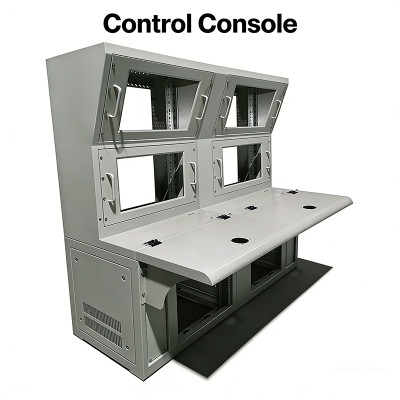
The very concept of a hospital "switchboard" feels outdated, conjuring images of operators manually plugging cables to connect calls. The modern operator console, however, is a sophisticated, software-based command center that revolutionizes how healthcare facilities manage communication. Far from being a simple call-routing tool, it serves as the central nervous system for an entire healthcare organization, unifying disparate systems into a single, intuitive interface. This transformation from a simple switchboard to a unified communication hub allows for a more streamlined and efficient workflow.
These advanced systems integrate voice calls, secure text messaging, email, alarms, and patient information from Electronic Health Records (EHRs) into one consolidated view for the operator. This level of integration is critical; it means an operator can see who is on call for a specific department, access staff directories instantly, and dispatch critical alerts without fumbling through multiple applications or paper binders. The goal is to provide operators with complete situational awareness, enabling them to make faster, more informed decisions. This reduces the cognitive load on staff and minimizes the potential for human error, which is paramount in a high-stakes healthcare environment.
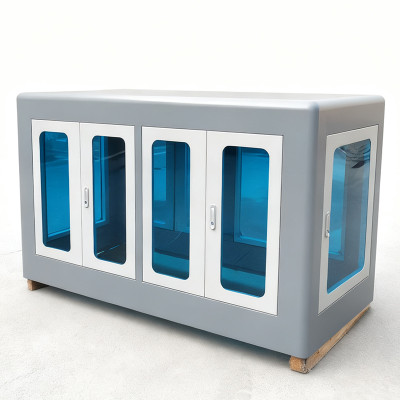
A key feature of a modern console is its ability to support Unified Communications (UC), which ensures that messages can be sent and received across a variety of devices, from traditional desk phones to smartphones and pagers. This ensures that critical information reaches clinicians wherever they are. Furthermore, the underlying infrastructure must be robust and reliable. All the data, software, and networking hardware that power these consoles are securely housed and managed, often within a dedicated server room. This physical setup requires meticulously organized hardware, such as a network cabinet, to ensure all components are protected, cooled, and easily accessible for maintenance, guaranteeing the 24/7 uptime required in a clinical setting.

Accelerating Crisis Response and Workflows with an Integrated Operator Console
In healthcare, seconds can mean the difference between life and death. An integrated operator console is a force multiplier during a crisis, dramatically accelerating response times and ensuring that established protocols are followed precisely. Whether it's a Code Blue for cardiac arrest, a mass casualty incident, or a facility-wide security alert, the console becomes the command center for coordinating an effective response.
Modern consoles come equipped with pre-configured emergency response templates. With a single click, an operator can trigger a multi-channel alert that simultaneously notifies the entire response team through their preferred communication devices, be it a mobile phone app, a pager, or an overhead announcement. For example, activating a "Code Blue" protocol can instantly assemble the cardiac arrest team, announce the location over the PA system, and log the event for future review—all in one seamless action. This automated process eliminates the delays and potential errors associated with manually contacting team members one by one.
The benefits of an integrated system extend across various emergency scenarios:
| Emergency Scenario | How the Operator Console Accelerates Response |
|---|---|
| Code Blue (Cardiac Arrest) | Instantly pages the rapid response team with the patient's exact location. |
| Stroke Alert | Simultaneously notifies the neurologist, radiologist, and stroke team to prepare for the patient's arrival. |
| Mass Casualty Incident (MCI) | Activates a command center bridge line and sends broadcast notifications to all staff to report to their assigned stations. |
| Infant Abduction (Code Pink) | Can integrate with the security system to automatically lock designated doors and send alerts to security personnel. |
By automating and standardizing these critical workflows, healthcare organizations can significantly improve patient outcomes and staff coordination during high-stress events. The console provides real-time visibility into who has received and acknowledged the alert, allowing operators to focus on managing the event rather than on the mechanics of communication. This capability transforms the operator's role from a passive call handler to an active and vital participant in crisis management.
Empowering Staff Flexibility and Enhancing Efficiency through the Operator Console
The operational benefits of a modern operator console extend far beyond emergency response, creating a more flexible and efficient work environment for all staff. One of the most significant advancements is the ability for console operators to work remotely. Cloud-based or web-accessible consoles mean that an operator can perform their duties from home or an alternate location with the same level of functionality as being on-site. This capability is invaluable for business continuity during public health crises, severe weather events, or other disruptions. It also widens the talent pool, as hospitals are no longer restricted to hiring staff who live within commuting distance.
Beyond remote work, the console drives daily efficiency by automating routine tasks and simplifying complex communication workflows. Key efficiency-boosting features include:
- Intelligent Call Routing: The system can automatically route calls based on time of day, on-call schedules, and staff availability, reducing the need for manual intervention.
- Integrated On-Call Schedules: Instead of relying on spreadsheets or binders, operators have direct, real-time access to on-call schedules. When a call for the on-call cardiologist comes in, the console automatically knows who the right person is and how to reach them. This integration saves precious time and prevents calls from being misdirected.
- Comprehensive Directory Services: Operators can quickly search for any staff member, department, or patient by name, title, or specialty. The console provides their contact information and current status (e.g., available, busy, on a call), allowing for more effective connection attempts.
- Automated Messaging: For non-urgent requests, such as a patient needing a blanket, the console can send an automated, secure text message to the appropriate floor nurse's mobile device, freeing the operator to handle more critical calls.
These features collectively reduce call handling times, minimize operator stress, and ensure that clinicians and patients can connect with the right person on the first try. The powerful servers and databases that manage these complex schedules and directories require a stable and secure environment. They are typically housed in climate-controlled data centers, where robust Power Distribution Cabinets ensure a consistent and clean power supply, protecting the heart of the communication system from outages or electrical irregularities.

Optimizing Security and Streamlining Operations with Your Advanced Operator Console
In a landscape governed by strict privacy regulations like HIPAA, communication security is non-negotiable. Advanced operator consoles are designed with security at their core, providing the tools necessary to protect patient information while streamlining administrative operations. Every call, message, and action taken through the console is logged and time-stamped, creating a detailed audit trail. This is essential for compliance, incident investigation, and quality improvement initiatives.
Secure messaging is a cornerstone of a modern console’s security features. It allows clinicians and staff to exchange sensitive patient information through encrypted channels, typically via a dedicated mobile application. This prevents providers from resorting to non-compliant personal messaging apps, thereby mitigating a significant security risk for the organization. Operators can securely relay physician's orders, lab results, or patient updates directly from the console to the appropriate clinician's device, ensuring the information remains protected from end to end.
Furthermore, the operational data generated by the console is a goldmine for administrators seeking to optimize workflows and staffing. Detailed reporting and analytics dashboards can reveal:
- Call Volume Trends: Identify peak call times to optimize operator staffing schedules.
- Call-Handling Metrics: Track average answer speed, call duration, and abandoned call rates to measure performance and identify training needs.
- Code Call Analysis: Review the timeline of emergency events to identify bottlenecks and improve response protocols.
- Directory Usage: See which departments are contacted most frequently, which can inform organizational directories and IVR (Interactive Voice Response) menus.
By leveraging this data, healthcare leaders can make evidence-based decisions to improve operational efficiency, enhance patient satisfaction, and ensure regulatory compliance. This continuous loop of action, logging, and analysis is what elevates the operator console from a simple communication tool to a strategic asset for the entire healthcare enterprise.
Ultimately, integrated operator consoles are no longer just tools for answering calls; they are indispensable communication technology driving efficiency, safety, and superior patient care across the healthcare continuum. By investing in enterprise-wide platforms and modernizing our communication infrastructure, we empower our teams, accelerate critical responses, and strengthen the core of our patient interactions. We are committed to leveraging these powerful systems to build a more connected, responsive, and resilient healthcare system for both our patients and our dedicated staff.