How to Select the Best Materials and Finishes for Your Metal Enclosure Fabrication Project
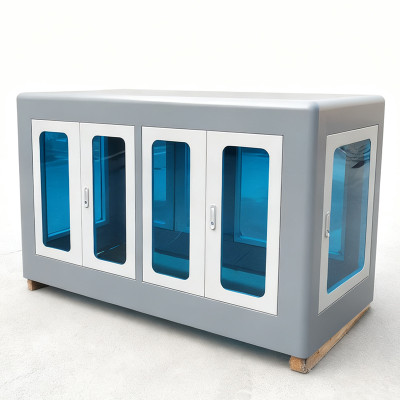
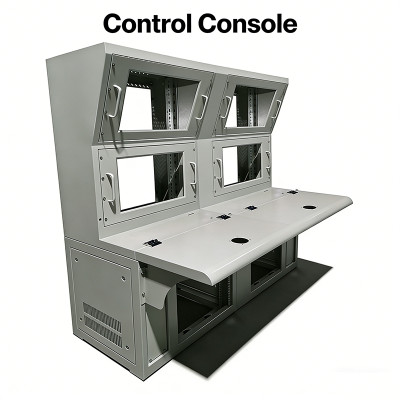
Navigating the world of metal enclosure fabrication can feel overwhelming, but choosing the right materials and finishes is a cornerstone for any successful project. As experts in the field, we understand that this isn’t just about making something look good; it's about ensuring functionality, durability, and cost-effectiveness for diverse applications. This guide will walk you through the essential considerations, from material properties to fabrication techniques, helping you make informed decisions for your next metal enclosure.
We will explore how to analyze your operating environment, compare the most common metals like steel and aluminum, and select a finish that protects and enhances your final product. Investing time in smart material and finish choices upfront saves significant challenges down the road.
Essential Considerations for Your Metal Enclosure Fabrication Project
Before a single piece of metal is cut or bent, a successful project begins with a thorough analysis of its requirements. Defining what the enclosure must do in service is the most critical first step. An indoor electronics housing has vastly different needs than an outdoor cabinet exposed to the elements. Key factors include the operating environment, mechanical demands, and the balance between cost and appearance.
Understanding the Operating Environment: Indoor, Outdoor, and Everything In Between
The environment where your enclosure will be deployed is the primary driver for material and finish selection. An indoor setting may prioritize dust protection, while an outdoor installation must battle weather, UV radiation, and corrosion.
Evaluating UV Exposure and Degradation Risks
For outdoor enclosures, constant exposure to ultraviolet (UV) radiation from the sun is a major concern. Over time, UV rays can cause finishes to fade, chalk, and lose their protective properties. This is especially true for certain types of powder coatings, like those based on epoxy resins, which are known to degrade and change color under sunlight.
Materials like polyester powder coatings are specifically designed for outdoor durability and offer excellent UV resistance, maintaining their color and gloss for a long time. Plastics can also be vulnerable, with lower-grade variants becoming brittle or discolored from prolonged UV exposure. Therefore, when selecting materials, it's crucial to choose options with inherent or added UV stability to ensure the enclosure's longevity and appearance are not compromised.
Assessing Corrosion Factors: Humidity, Chemicals, and Salt Spray
Corrosion is a primary adversary of metal enclosures, particularly in environments with high humidity, chemical exposure, or salt-laden air, such as coastal regions. Chlorides from sea spray, de-icing salts, and even some cleaning agents can aggressively attack metal surfaces, leading to pitting and rust.
The choice of material is your first line of defense. For instance, while both 304 and 316 stainless steel are corrosion-resistant, grade 316 contains molybdenum, an element that makes it far more resistant to chloride-induced pitting. This makes 316 the preferred choice for marine, wastewater, and chemical plant applications. Similarly, galvanized steel, which is coated in zinc, offers enhanced protection against moisture compared to uncoated cold-rolled steel. Finishes like powder coating add another protective barrier, but the integrity of this coating is paramount, as any chip or scratch can become a starting point for rust.
Temperature Extremes and Heat Dissipation Needs
Electronic components generate heat, and if that heat isn't managed effectively, it can drastically reduce equipment lifespan and lead to failures. Every 10°C increase in temperature can cut the life of electronics in half. The enclosure itself plays a critical role in thermal management.
Material choice is significant; for example, aluminum is an excellent heat conductor, making it far more effective at dissipating heat than steel or plastic. By some estimates, aluminum dissipates heat about 3.4 times better than plastic. For high-power applications, design features must be considered, such as:
- Ventilation: Vents, louvers, or fans to promote airflow.
- Heat Sinks: Finned metal components that increase surface area to radiate heat away from critical components.
- Component Placement: Positioning high-heat components near vents or at the top of the enclosure to take advantage of natural convection.
In extremely cold environments, the material must also retain its integrity and not become brittle.
Mechanical and Functional Requirements for Metal Enclosure Fabrication
Beyond environmental resilience, an enclosure must meet specific mechanical and functional demands related to its strength, weight, and electronic performance. These requirements ensure the enclosure can protect its contents and function as intended throughout its service life.
Achieving Structural Integrity and Impact Resistance
The enclosure must be robust enough to protect its internal components from physical impact, vibration, and mechanical damage. This is especially critical in demanding industrial environments or for portable equipment that may be handled roughly. Metal enclosures generally offer higher mechanical strength and impact resistance compared to their plastic counterparts.
Several factors contribute to structural integrity:
- Material Thickness (Gauge): Thicker material inherently provides greater strength and rigidity, though this comes at the cost of increased weight and expense.
- Material Type: Steel offers high strength and stiffness, while aluminum provides a better strength-to-weight ratio.
- Design Reinforcements: The structural integrity of an enclosure can be significantly enhanced without simply increasing material thickness. Adding design features like reinforcement ribs, flanges, or strategic bends can improve rigidity and resistance to denting.
Managing Weight: Portability vs. Robustness
The weight of an enclosure is a critical consideration, especially for applications involving portability, wall mounting, or shipping. A balance must be struck between the robustness needed for protection and a manageable weight.
- Aluminum: This is a top choice when low weight is a priority. It is significantly lighter than steel while still offering good strength, making it ideal for portable equipment or installations where weight limits are a concern.
- Steel (Cold-Rolled and Stainless): Steel is much heavier and stiffer than aluminum. While this provides excellent durability and a feeling of solidity, it can be a disadvantage for mobile or mounted applications.
- Plastics: Non-metallic enclosures are the lightest option but typically offer the lowest structural strength and impact resistance.
The final choice depends on the application's specific needs, weighing the trade-offs between the durability of a heavier material and the convenience of a lighter one.
EMI Shielding and Wireless Signal Considerations
For many electronic applications, controlling electromagnetic interference (EMI) is crucial. EMI can disrupt the function of sensitive components. Metal enclosures provide a natural advantage in this area.
- EMI Shielding: Metal enclosures act as a Faraday cage, inherently blocking or attenuating EMI and radio frequency interference (RFI). This makes them the default choice for housing sensitive control systems, especially near high-frequency devices like motors or VFDs. To be effective, the enclosure must be properly grounded.
- Wireless Pass-Through: In contrast, if the enclosure houses IoT devices or other components that rely on wireless signals (Wi-Fi, Bluetooth, cellular), a metal box will block those signals. In these cases, a non-metallic material like polycarbonate or fiberglass is often necessary to allow signals to pass through.
For applications needing both protection and conductivity, a finish like chemical film on aluminum can provide corrosion resistance while maintaining electrical conductivity for grounding purposes.
Balancing Cost, Volume, and Aesthetics in Metal Enclosure Fabrication
The final set of considerations revolves around the project's business and design goals. The budget, production volume, and aesthetic requirements all play a crucial role in determining the optimal materials and fabrication methods.
Prototyping, Low-Volume, and Mass Production Cost Implications
The cost of an enclosure is heavily influenced by the manufacturing process, which in turn depends on the production volume.
- Prototyping and Low-Volume: For custom one-offs or small batches, sheet metal fabrication is often the most flexible and cost-effective approach. It allows for custom designs without the high upfront tooling costs associated with other methods.
- Mass Production: As volume increases, processes like die-casting or stamping become more economical. While they involve significant initial investment in molds or dies, the cost per unit drops dramatically at high volumes.
Material choice also impacts cost. Cold-rolled steel is generally the most economical metal option, while stainless steel and aluminum are more expensive.
Impact on Branding and User Experience
An enclosure is often the first physical interaction a user has with a product, making its design a key part of the brand identity and user experience.
- Aesthetics: High-quality finishes, clean weld lines, and precise assembly contribute to a perception of quality. Stainless steel with a brushed finish, for instance, can provide a premium, modern look.
- Finishes: Powder coating offers a durable, uniform finish in a vast range of colors and textures, allowing companies to align the product with their brand colors. Specialized finishes like anodizing on aluminum can also be dyed to achieve decorative effects.
- User Interaction: The design should also consider practical aspects of user experience, such as ease of access for maintenance, the feel of latches and handles, and the clarity of any labeling or markings.
Primary Metal Materials for Your Enclosure Fabrication Journey
Choosing the right metal is the foundation of a durable and effective enclosure. The three most common choices—stainless steel, aluminum, and carbon steel—each offer a unique profile of strength, corrosion resistance, weight, and cost. Your selection should be driven by the enclosure's operating environment and functional requirements.
Stainless Steel: The Robust Choice for Metal Enclosure Fabrication
Stainless steel is the go-to material when durability and corrosion resistance are top priorities, making it ideal for harsh, hygienic, or outdoor environments. It offers excellent protection against moisture, chemicals, and physical damage.
Grades 304 and 316L: Tailoring Resistance to Your Needs
While there are many grades of stainless steel, almost all industrial enclosures use either 304 or 316. Visually, they are identical, but their performance in corrosive environments differs significantly.
- Grade 304 Stainless Steel: This is the most widely used grade. It provides excellent general corrosion resistance and is a cost-effective choice for indoor or general industrial applications with limited exposure to corrosive agents.
- Grade 316/316L Stainless Steel: The key difference in Grade 316 is the addition of molybdenum (typically 2-3%). This element dramatically enhances its resistance to pitting and corrosion caused by chlorides, such as salt spray, de-icing salts, and certain industrial chemicals. This makes 316L the superior choice for marine, coastal, chemical processing, and wastewater environments. The "L" in 316L denotes low carbon content, which improves corrosion resistance after welding.
Comparison of Common Stainless Steel Grades:
| Feature | Grade 304 | Grade 316L |
|---|---|---|
| Key Alloying Elements | 18% Chromium, 8% Nickel | 16% Chromium, 10% Nickel, 2-3% Molybdenum |
| Corrosion Resistance | Good for general use | Excellent, especially against chlorides (salt) |
| Common Applications | Indoor industrial, food equipment, laboratories | Marine, coastal, chemical plants, wastewater treatment |
| Cost | More economical | Higher cost due to molybdenum and higher nickel content |
Inherent UV Stability and Corrosion Protection
One of the major advantages of stainless steel is that its corrosion resistance is inherent to the material itself. It relies on a passive chromium-rich film that forms on its surface, which protects it from the elements. This means it doesn't depend on an external coating for protection, though finishes can be applied for aesthetic reasons. Furthermore, stainless steel is inherently stable under UV radiation, so it will not degrade or become brittle from sun exposure, making it an excellent long-term choice for outdoor enclosures.
Aluminum: Lightweight Versatility in Metal Enclosure Fabrication
Aluminum is a popular material for enclosures due to its unique combination of light weight, natural corrosion resistance, and excellent thermal conductivity. It is particularly well-suited for applications where weight is a concern, such as portable devices or wall-mounted systems.
Excellent Heat Dissipation and Weight-to-Strength Ratio
Two of aluminum's standout features are its thermal performance and its strength relative to its weight.
- Heat Dissipation: Aluminum is a far better thermal conductor than steel or stainless steel. Published data shows its heat-transfer coefficient is significantly higher, allowing it to move heat away from sensitive electronic components more efficiently. This can reduce or eliminate the need for active cooling systems like fans.
- Weight-to-Strength Ratio: While steel is stronger and stiffer at the same thickness, aluminum has a superior strength-to-weight ratio. This means it can provide robust protection while keeping the overall weight of the enclosure low, which is a major advantage for handling and installation.
Common Grades for Sheet Metal (5052-H32) and CNC Machining (6061-T6)
Different aluminum alloys are optimized for different fabrication processes and applications. Two of the most common grades used in enclosure manufacturing are 5052 and 6061.
- 5052-H32: This grade is an excellent choice for sheet metal fabrication. It has great formability, meaning it can be bent and shaped into complex designs without cracking. It also offers superb corrosion resistance, especially in marine environments.
- 6061-T6: Known for its high strength, 6061 is often used for parts that require more structural rigidity or will be created using CNC machining. While it can be formed, it's not as malleable as 5052. It is a workhorse alloy used across many industries for its robust mechanical properties.
Steel Options: Balancing Strength and Cost in Metal Enclosure Fabrication
For many applications, particularly those indoors, standard carbon steel offers an excellent balance of strength, durability, and cost-effectiveness. Unlike stainless steel, however, it is not inherently corrosion-resistant and must be protected with a finish like paint or powder coating.
Cold Rolled Steel: Economical for Protected Environments
Cold Rolled Steel (CRS) is a popular and economical choice for general-purpose indoor enclosures. It is produced with a smooth, dense surface that is ideal for painting or powder coating.
Advantages:
- Cost-Effective: CRS is one of the most affordable metal options for enclosures.
- Strength and Stiffness: It is a very stiff and strong material, providing excellent structural integrity.
Limitations:
- Corrosion: CRS is highly susceptible to rust and is not suitable for wet, humid, or outdoor environments unless properly coated. If the protective coating is scratched or chipped, rust can quickly form.
Because of its need for a protective finish, it is almost always seen with a powder coat.
Galvanneal Steel: Enhanced Corrosion Resistance Through Coating
Galvanneal steel is a type of carbon steel that has been coated with a layer of zinc to provide enhanced corrosion protection. This makes it a step up from cold-rolled steel for applications that may be exposed to some moisture, although it's still not on par with stainless steel for truly harsh environments.
During the manufacturing process, the zinc-coated steel is heated, which causes the iron and zinc to alloy together. This creates a matte, dull gray surface that is excellent for painting. The zinc coating acts as a sacrificial layer, corroding before the steel underneath it does. This makes galvanneal steel a durable and cost-effective option for industrial cabinets and certain outdoor enclosures that need a balance of strength and improved weather resistance.
The Art of Finishing: Protecting and Enhancing Your Metal Enclosure Fabrication
A finish is more than just a color; it’s a critical protective layer that shields your metal enclosure from corrosion, abrasion, and environmental damage. It also plays a key role in the final product's appearance and brand identity. The right finish extends the service life of the enclosure and ensures it performs reliably.
Powder Coating: A Durable and Aesthetic Solution for Metal Enclosures
Powder coating is one of the most popular and durable finishes for metal enclosures. It involves electrostatically applying a dry powder to the metal surface, which is then cured under heat to form a hard, protective skin. The resulting finish is tougher and more uniform than conventional liquid paint.
Polyester vs. Epoxy: Choosing for UV Resistance and Chemical Protection
Powder coatings are not all the same; the chemistry of the resin used determines their performance characteristics. The two most common types are polyester and epoxy.
- Polyester Powder Coating: This is the top choice for outdoor applications. Polyester resins have excellent resistance to UV radiation, meaning they maintain their color and gloss even after long-term sun exposure. While still offering good chemical and corrosion resistance, their main strength is weatherability.
- Epoxy Powder Coating: Epoxy is known for its exceptional chemical resistance, hardness, and adhesion, making it ideal for indoor industrial environments where exposure to oils, solvents, or corrosive chemicals is a concern. However, epoxy has poor UV resistance and will quickly chalk and fade when exposed to sunlight, making it unsuitable for outdoor use.
Key Differences Between Powder Coat Types:
| Feature | Polyester Powder Coat | Epoxy Powder Coat |
|---|---|---|
| UV Resistance | Excellent; ideal for outdoor use | Poor; chalks and fades in sunlight |
| Chemical Resistance | Good | Excellent; best for industrial chemicals and solvents |
| Durability | Good flexibility and impact resistance | Very hard and abrasion-resistant, but can be more brittle |
| Primary Application | Outdoor enclosures, architectural components | Indoor industrial equipment, electrical cabinets, pipelines |
Impact of Reflectivity and Texture on Performance and Appearance
Beyond the choice of chemistry, the visual characteristics of the powder coat, such as its gloss level and texture, can also have functional impacts.
- Reflectivity (Gloss): A high-gloss finish is smooth and reflects a lot of light, which can be desirable for aesthetic reasons. However, a matte or low-gloss finish can help hide fingerprints and minor surface imperfections. For outdoor enclosures in sunny climates, a lighter color with lower gloss can help reflect solar heat rather than absorbing it.
- Texture: Textured finishes (like a sand or wrinkle texture) are excellent at hiding surface defects and are very durable against scratches and abrasion. A smooth finish may be easier to clean, which can be a requirement in hygienic or medical environments.
Specialized Finishes for Metal Enclosure Fabrication
While powder coating is a versatile workhorse, certain materials and applications call for specialized finishing processes. These finishes are often used to enhance specific properties like electrical conductivity, wear resistance, or aesthetic appeal.

Anodizing and Chemical Film for Aluminum Enclosures
For aluminum enclosures, anodizing and chemical film (chem film) are two common finishing methods that provide corrosion resistance by modifying the surface of the metal itself. The choice between them often comes down to electrical conductivity and durability requirements.
- Anodizing: This is an electrochemical process that grows a thick, hard layer of aluminum oxide on the surface. This layer is very durable, wear-resistant, and provides excellent corrosion protection. However, the anodized layer is an electrical insulator, which means it cannot be used on surfaces that require electrical grounding or EMI shielding. Anodizing also adds measurable thickness to a part, which must be accounted for in designs with tight tolerances. It can be dyed in various colors for a decorative finish.
- Chemical Film (Chem Film/Chromate Conversion Coating): This is a chemical process that creates a very thin, protective conversion coating on the aluminum. Unlike anodizing, chem film maintains the electrical conductivity of the aluminum, making it the ideal choice for electronic chassis, grounding points, and parts requiring EMI shielding. It adds negligible thickness and is an excellent primer for paint. However, it is much softer and less a-resistant than an anodized coating.
Brushed and Mirror Finishes: Aesthetic Considerations
For some applications, particularly with stainless steel, the desired finish is purely mechanical and aesthetic. These finishes are created by abrading the surface of the metal to achieve a specific look.
- Brushed Finish: This is created by sanding the metal with a fine-grit belt or wheel, which produces a pattern of very fine, unidirectional lines. It gives the metal a satin, non-reflective look that is modern and effective at hiding fingerprints and minor scratches. It is a very popular choice for high-end appliances and architectural features.
- Mirror Finish: A mirror finish is achieved by progressively polishing the metal with finer and finer abrasives until the surface is completely smooth and reflective, like a mirror. This finish is highly decorative but is also very susceptible to showing fingerprints, scratches, and smudges. It requires careful handling and frequent cleaning to maintain its appearance.
Beyond Materials and Finishes: Fabrication Methods and Other Components for Metal Enclosures
A successful enclosure project isn't just about selecting the right metal and coating. The methods used to form and assemble the parts, along with the non-metallic components like gaskets, are just as crucial for ensuring the final product meets its performance, cost, and durability targets.
Choosing the Right Fabrication Approach for Your Metal Enclosure
The choice of fabrication method directly impacts design flexibility, precision, and cost, especially when considering the production volume. The two most common approaches for custom enclosures are sheet metal fabrication and machining.
Sheet Metal Fabrication: Flexibility for Custom Designs and Prototyping
Sheet metal fabrication is the process of forming parts from flat sheets of metal. It typically involves cutting (with a laser or turret punch), bending (on a press brake), and joining (with welding or fasteners).
This method is extremely versatile and is the go-to choice for creating custom enclosures, especially for prototypes and low- to mid-volume production runs. Its primary advantage is that it does not require expensive tooling like molds or dies, allowing for rapid design changes and cost-effective production of unique parts. Whether creating a simple U-shaped chassis or a complex multi-part assembly with doors and panels, sheet metal fabrication provides the flexibility to bring custom designs to life.
Die-Cast and CNC Machining: Precision and Durability for Complex Parts
For parts that require high precision, complex three-dimensional shapes, or extreme durability, other methods may be more suitable.
- Die-Casting: This process involves injecting molten metal under high pressure into a steel mold (a die). It is ideal for mass-producing complex parts with excellent dimensional accuracy and a smooth surface finish. While the initial tooling cost is very high, the per-part cost becomes extremely low at high volumes.
- CNC Machining: CNC (Computer Numerical Control) machining uses computer-controlled tools to cut away material from a solid block of metal or plastic. This process offers exceptionally high precision and can create intricate features that are impossible with sheet metal. It's often used for critical components of an enclosure, such as specialized mounting bosses, complex interfaces, or thick flanges. 6061-T6 aluminum is a common material choice for machined enclosure parts due to its strength and machinability.
Crucial Non-Metallic Components: Gaskets and Their Role in Enclosure Protection
For any enclosure designed to protect against water and dust (i.e., those with an IP or NEMA rating), the gasket is a critical component. A gasket is a mechanical seal that fills the space between two mating surfaces, such as a door and the enclosure body, to prevent leakage. The material of the gasket must be carefully chosen based on the operating environment.
Selecting UV- and Weather-Resistant Gasket Materials (Silicone, EPDM)
For outdoor enclosures, the gasket must be able to withstand the same environmental challenges as the enclosure itself, including UV radiation, temperature extremes, and moisture.
- Silicone: Silicone gaskets offer excellent performance over a wide range of temperatures and have outstanding UV and ozone resistance. They are a top choice for long-term outdoor sealing applications where reliability is critical.
- EPDM (Ethylene Propylene Diene Monomer): EPDM is another excellent choice for outdoor use. It is highly resistant to weathering, UV exposure, and water, and it remains flexible at low temperatures. It is widely used in automotive and outdoor electrical applications.
Avoiding Materials Prone to Degradation (Neoprene, Polyurethane)
Just as some metals and finishes are unsuitable for outdoor use, some gasket materials will degrade quickly when exposed to the elements.
- Neoprene: While neoprene has good general-purpose properties, it has limited resistance to UV radiation and ozone. Over time, it can become brittle and crack when exposed to sunlight, leading to seal failure.
- Polyurethane: Certain types of polyurethane foam gaskets can also degrade with prolonged exposure to moisture and UV light. Unless specifically formulated for outdoor use, they are better suited for indoor applications where they are protected from the elements.
Key Takeaways
Choosing the best materials and finishes for a metal enclosure is a critical process that balances environmental demands, functional needs, and project constraints. A well-informed decision at this stage will ensure the enclosure's durability, performance, and cost-effectiveness. Here's a summary of the essential points to guide your selection:
1. Start with the Operating Environment: The first and most important step is to analyze where and how the enclosure will be used. An outdoor enclosure must withstand UV radiation, temperature fluctuations, and corrosive elements like salt and chemicals. Materials like 316L stainless steel and polyester powder coatings are designed for these harsh conditions. Indoor enclosures, on the other hand, can often use more economical materials like powder-coated cold-rolled steel, which offers excellent strength in a protected environment. Special attention must also be paid to thermal management, as electronics generate heat that can drastically shorten their lifespan if not properly dissipated through material choice and design features like vents or heat sinks.
2. Match the Metal to the Job: There is no single "best" metal; the right choice depends entirely on the application's demands.
- Stainless Steel (304 & 316L): The premium choice for corrosion and chemical resistance. Grade 304 is a versatile workhorse for general-purpose use, while 316L's addition of molybdenum makes it essential for marine or chloride-rich environments.
- Aluminum (5052 & 6061): Ideal when weight is a concern or when excellent heat dissipation is needed. Its natural corrosion resistance and high strength-to-weight ratio make it perfect for portable or outdoor equipment.
- Carbon Steel (Cold-Rolled & Galvanneal): The most cost-effective option, offering great strength and stiffness for indoor applications. It must be coated to prevent rust, with galvanneal steel providing an extra layer of zinc protection for applications with some moisture exposure.
3. Select a Finish That Protects and Enhances: Finishes provide the primary line of defense against corrosion while also defining the product's aesthetic.
- Powder Coating: A durable and versatile finish, but the chemistry matters. Polyester powders are crucial for outdoor use due to their UV resistance, while epoxy powders offer superior chemical and abrasion resistance for protected indoor environments.
- Anodizing and Chemical Film (for Aluminum): These treatments modify the aluminum surface itself. Anodizing creates a thick, hard, non-conductive layer ideal for wear resistance. Chemical film is a thin, conductive coating perfect for parts requiring electrical grounding or EMI shielding.
4. Consider the Entire Fabrication Ecosystem: The project's success extends beyond just materials and finishes.
- Fabrication Method: Sheet metal fabrication offers unmatched flexibility for custom designs and prototypes, while die-casting or machining are suited for high-volume or high-precision parts.
- Non-Metallic Components: For sealed enclosures, the gasket material is just as important as the metal. UV-resistant materials like silicone or EPDM are essential for outdoor longevity, while materials like neoprene should be avoided in sun-exposed applications.
- Balancing Factors: Ultimately, the decision must weigh performance against cost, production volume, and branding. A well-designed enclosure not only protects its contents but also enhances the user experience and reflects the quality of the brand.
By methodically working through these considerations, you can confidently select a combination of materials and finishes that will deliver a durable, reliable, and well-designed metal enclosure for your project.
Frequently Asked Questions (FAQs)
1. What is the most cost-effective material for a standard indoor metal enclosure?
For most standard indoor applications where the enclosure is protected from moisture and harsh chemicals, cold-rolled steel (CRS) is the most cost-effective material. It provides excellent strength and stiffness at a lower price point compared to aluminum or stainless steel. However, it is crucial to remember that CRS is not inherently corrosion-resistant and must be protected with a finish, most commonly a powder coat. This combination delivers a durable and economical solution for items like control panels, electrical cabinets, and general-purpose equipment housings in a controlled environment.
2. How does a NEMA or IP rating relate to material and finish selection?
NEMA (National Electrical Manufacturers Association) and IP (Ingress Protection) ratings define an enclosure's ability to protect against the ingress of foreign objects (like dust) and water. For example, a NEMA 4X rating signifies protection against corrosion in addition to water and dust.
Achieving a high rating depends on a combination of factors:
- Material and Finish: To achieve a corrosion-resistant rating like NEMA 4X, you must use materials that can withstand harsh environments, such as 316L stainless steel or properly coated aluminum. The finish must also be robust and free of defects.
- Gasketing: A continuous, high-quality gasket made from a weather-resistant material (like silicone or EPDM) is essential to create a watertight seal between doors and panels.
- Design and Construction: The enclosure must be designed without gaps. Welds must be continuous (seam-welded) rather than spot-welded to prevent water from seeping through.
Simply choosing a corrosion-resistant material is not enough; the entire enclosure system must be designed and built to meet the specified rating.
3. Is powder coating always necessary for metal enclosures?
Not always, but it is highly recommended for most materials.
- For Cold-Rolled Steel: Yes, a protective coating is absolutely essential. Uncoated CRS will rust very quickly, even from ambient humidity.
- For Galvanneal/Galvanized Steel: While these steels have a zinc coating for corrosion protection, a top coat of powder or paint is often added for additional durability and aesthetics.
- For Aluminum: Bare aluminum naturally forms a protective oxide layer that resists corrosion, so it doesn't strictly need a coating. However, finishes like powder coating, anodizing, or chemical film are often applied to enhance durability, improve wear resistance, provide color, or control electrical conductivity.
- For Stainless Steel: Stainless steel is inherently corrosion-resistant and does not need a coating for protection. It is often used with a bare or mechanically brushed finish to showcase the material itself. Powder coating may be applied for branding purposes (e.g., to match a company color) or if the enclosure needs to blend in with other painted equipment.
4. In practical terms, when should I choose 316L stainless steel over 304?
The decision comes down to one primary factor: exposure to chlorides. Choose 316L stainless steel if your enclosure will be in:
- Coastal or Marine Environments: Exposed to salt spray from the ocean.
- Areas with De-Icing Salts: Located near roads or walkways that are salted in the winter.
- Wastewater Treatment Plants: Where chemicals and moisture are constantly present.
- Chemical Processing or Food Processing Facilities: Where corrosive cleaning agents are used frequently.
Choose 304 stainless steel for:
- General Indoor Industrial Use: In factories, warehouses, or commercial buildings without specific corrosive threats.
- Hygienic Environments: Such as kitchens or laboratories where cleanliness is important but harsh chlorides are not present.
While 316L is more expensive, choosing it in the right environment prevents pitting corrosion and staining, ensuring a much longer service life and justifying the initial investment.
5. How do I decide between sheet metal fabrication and CNC machining for my enclosure parts?
The choice depends on the part's geometry, required precision, and production volume.
Choose Sheet Metal Fabrication for:
- Enclosure Bodies and Panels: Parts that are primarily flat with bent flanges, like boxes, covers, doors, and brackets.
- Prototypes and Low Volumes: It's highly flexible and doesn't require expensive tooling, making it perfect for custom, one-off, or small-batch production.
- Cost-Effective Designs: When extreme precision isn't the top priority, sheet metal is a more economical way to create the main structure of an enclosure.
Choose CNC Machining for:
- Complex 3D Shapes: Parts with contoured surfaces, pockets, or intricate features that cannot be formed from a flat sheet.
- High-Precision Interfaces: Features that require very tight tolerances, such as mounting bosses for a PCB, precision-bored holes for bearings, or perfectly flat mating surfaces.
- Thick or Solid Parts: Components that are too thick to be bent or are machined from a solid block of material for maximum strength and rigidity.
Often, an enclosure will use a hybrid approach: the main body will be made from sheet metal fabrication for cost-efficiency, while specific components like custom hinges, latches, or critical mounting blocks will be CNC machined for precision and durability.
Conclusion
Ultimately, the best material and finish for your metal enclosure fabrication project hinge on a careful evaluation of its intended environment, functional requirements, and budget. From the robust, corrosion-fighting power of 316L stainless steel in a harsh marine setting to the lightweight, heat-dissipating qualities of aluminum for a portable electronic device, the right choice is always the one that is fit for its specific purpose.
We hope this guide provides a clear roadmap, empowering you to select components that promise longevity, performance, and value. By understanding the critical trade-offs between UV resistance and chemical durability in powder coatings, or the electrical conductivity differences between anodizing and chemical film, you can tailor your choices to meet precise engineering needs.
Remember, investing time in smart material and finish choices upfront saves significant challenges down the road. This strategic foresight not only enhances the quality and reliability of your product but also prevents costly redesigns and field failures. We encourage you to share your experiences or ask further questions in the comments below to continue the conversation.