How to Choose the Right Sheetmetal Enclosure Manufacturer
Choosing the right sheetmetal enclosure manufacturer can feel like a daunting task, but I'm here to help make it easier for you. These enclosures are critically important for protecting your valuable electronics and equipment, so finding a reliable manufacturer is key to getting the perfect solution tailored to your needs. Let me walk you through what I believe are the most important factors to consider when selecting a partner to build your next sheetmetal enclosure.
What Advanced Manufacturing Capabilities Mean for Your Sheetmetal Enclosure Project
When you're sourcing a manufacturer for a critical component like a sheetmetal enclosure, you're not just buying a metal box. You're investing in a partnership with a company whose capabilities will directly impact your project's quality, timeline, and budget. A manufacturer with advanced capabilities brings far more to the table than just production capacity; they offer precision, efficiency, and engineering expertise that can elevate your final product. These capabilities are the bedrock of a successful project, ensuring that the enclosure not only meets but exceeds your expectations for performance and durability. From leveraging cutting-edge technology to providing invaluable design support, a top-tier manufacturer becomes an extension of your own team.
Cutting-Edge Technology and Precision in Sheetmetal Enclosures
The quality of a sheetmetal enclosure begins with the technology used to create it. Modern manufacturing has been transformed by advanced techniques that deliver unparalleled precision and efficiency. A top-tier manufacturer will have a suite of cutting-edge tools to handle every stage of the fabrication process.
Key technologies to look for include:
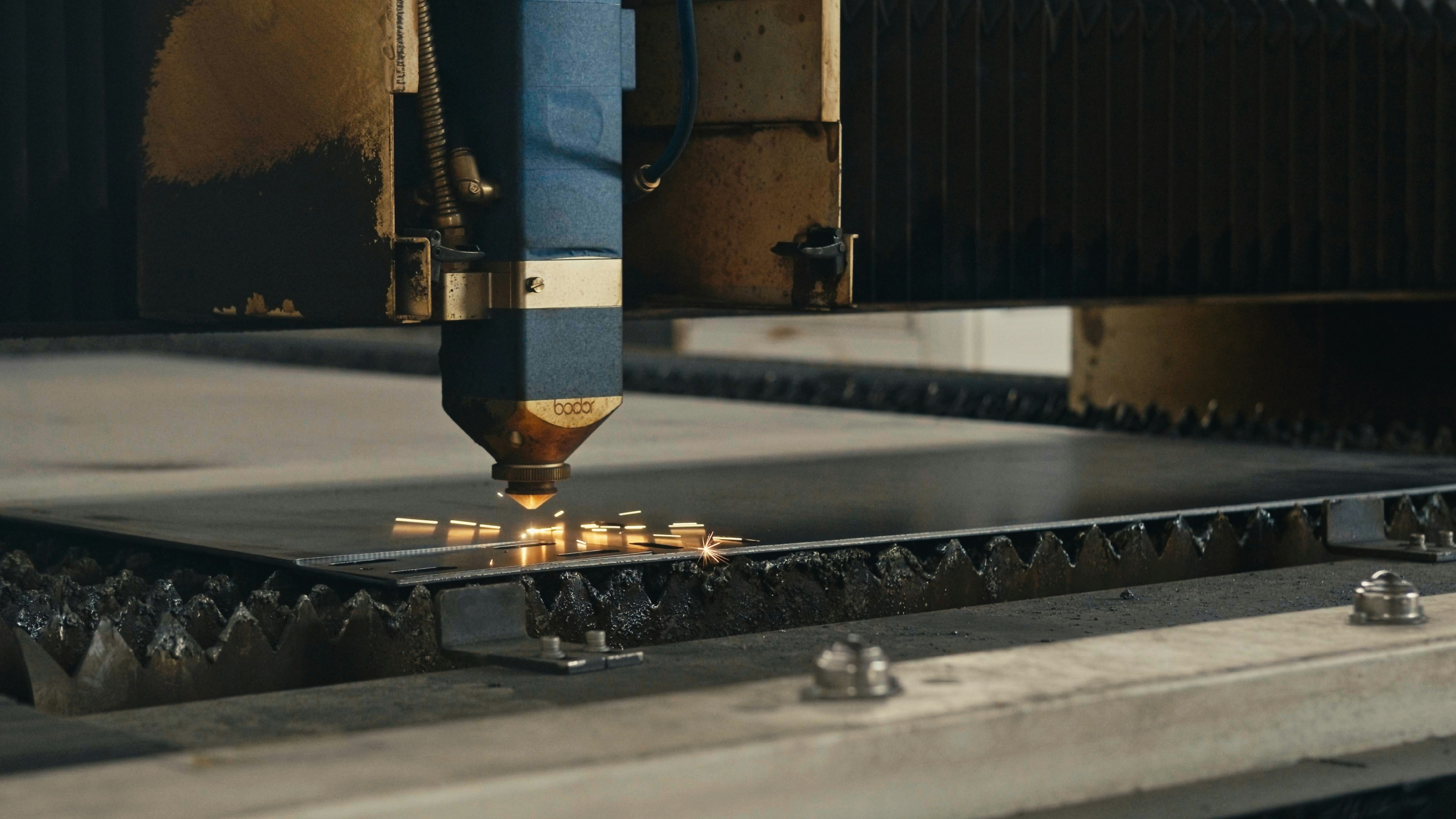
- CNC Laser Cutting: This technology uses a highly focused laser beam to cut through sheet metal with incredible accuracy. It allows for intricate shapes and complex designs that would be difficult or impossible with traditional methods. Fiber lasers, in particular, offer clean edges, reduce heat distortion, and dramatically speed up production.
- CNC Punching: Computer Numerical Control (CNC) punching is used to create holes, louvers, and other formed features. It's an automated process that ensures consistency and precision across high-volume production runs.
- CNC Bending and Forming: Advanced press brakes use computer controls to bend sheet metal into precise angles and complex geometries. This automation is crucial for creating multifaceted chassis and enclosures with consistent quality.
- Robotic and Laser Welding: For assembling the enclosure, an advanced shop will use techniques like robotic welding or laser beam welding. Laser welding can be up to five times faster than traditional TIG welding, creating strong seams with minimal heat distortion, which is critical for maintaining tight tolerances.
These advanced machining techniques ensure that every cut, bend, and weld meets the highest standards of quality and precision. A manufacturer that invests in this technology demonstrates a commitment to quality and efficiency, which translates into lower costs and faster turnarounds for your project.
The Power of an Experienced Design Engineering Team for Your Sheetmetal Enclosure
A state-of-the-art facility is only as good as the team operating it. An experienced design and engineering team is arguably one of the most valuable assets a sheetmetal enclosure manufacturer can offer. They do more than simply execute your drawings; they partner with you to optimize your design for manufacturability (DFM).
This collaboration provides several key benefits:
- Design for Manufacturability (DFM): An expert engineering team will review your design and identify potential issues that could increase costs or slow down production. They might suggest subtle changes—like relaxing non-critical tolerances or modifying bend radii—that can lead to significant savings without compromising the enclosure's function.
- Material and Finish Selection: With deep knowledge of different metals and their properties, the engineering team can help you select the ideal material based on your application's requirements for strength, weight, corrosion resistance, and cost. They can also recommend the best finishing options, such as powder coating or anodizing, to ensure durability in the intended environment.
- Problem-Solving and Innovation: Whether you have a fully developed design or just a concept, a strong engineering partner can help refine it. They can assist with everything from ensuring proper cable routing and access points to designing complex assemblies that integrate seamlessly with other components.
Ultimately, a manufacturer that provides this level of engineering support acts as a true partner, helping you avoid downstream issues and improve the overall quality and repeatability of your product.
Understanding Custom Solutions vs. Standard Sheetmetal Enclosures
One of the first decisions you'll face is whether to use a standard, off-the-shelf enclosure or invest in a custom solution. While standard enclosures can be a good fit for some projects, custom fabrication offers unmatched flexibility and precision.
Here's a breakdown to help you decide:
| Feature | Standard (Off-the-Shelf) Enclosures | Custom Sheetmetal Enclosures |
|---|---|---|
| Design | Fixed sizes and configurations. Limited options for cutouts, mounting points, or features. | Fully tailored to your exact specifications, including unique dimensions, cutouts, and integrated components. |
| Lead Time | Generally shorter as they are stocked items. | Longer, due to design, engineering, and fabrication processes. |
| Cost | Lower initial cost per unit, especially in small quantities. | Higher initial investment, but can be more cost-effective in the long run by simplifying assembly and integration. |
| Flexibility | Low. Modifications often require manual drilling or cutting, which can be imprecise and costly. | High. Designs can be adjusted during the development process to accommodate changes. |
| Ideal Use Case | Prototyping, hobbyist projects, or applications where standard sizes are sufficient. | Specialized equipment, OEM products, and systems with unique spatial or functional requirements. |
Custom enclosures are essential when your project demands specific dimensions, integrated mounting for proprietary hardware, or unique features for thermal management and cable access. The ability to tailor every aspect of the enclosure ensures a perfect fit and optimal performance, providing a level of integration that standard products simply cannot match.
Ensuring Quality and Compliance in Your Sheetmetal Enclosure: Why Standards Matter
When protecting sensitive and valuable electrical components, there is no room for compromise. The quality and compliance of a sheetmetal enclosure are not just details—they are fundamental to ensuring safety, reliability, and operational longevity. A well-built enclosure does more than just house components; it acts as the first line of defense against environmental hazards, physical impact, and electromagnetic interference. Adherence to internationally recognized standards is the only way to guarantee this level of protection. Choosing a manufacturer who prioritizes and certifies their products to these standards provides peace of mind and ensures your equipment will perform as intended, no matter the conditions.
Understanding NEMA and UL Standards for Electrical Sheetmetal Enclosures
In North America, two primary organizations set the standards for electrical enclosure safety and performance: the National Electrical Manufacturers Association (NEMA) and Underwriters Laboratories (UL). While their rating systems are similar, they serve distinct purposes.
NEMA Ratings: NEMA defines standards for performance and protection against environmental hazards like water, dust, oil, and corrosive agents. These ratings are typically self-certified by the manufacturer, meaning they test their products to ensure they meet the criteria for a specific rating. NEMA standards are crucial for matching an enclosure to its operational environment.
UL Ratings: UL is a third-party safety certification organization. For an enclosure to be "UL Listed," it must be rigorously tested by a UL-accredited facility to verify it meets specific safety and performance standards. The relevant standards for enclosures are UL 50 and UL 50E, which are roughly equivalent to NEMA 250 standards. A UL certification provides an extra layer of assurance that the product has been independently verified. For industrial control panels, the UL 508A standard is particularly important, as it specifies requirements for the panel as a complete assembly, including component wiring, safety markings, and thermal management.
Here is a simplified chart of common NEMA ratings and their applications:
| NEMA Rating | Protection Against | Common Applications |
|---|---|---|
| NEMA 1 | Falling dirt, accidental contact | Indoor, general-purpose use in non-hazardous locations. |
| NEMA 3R | Rain, sleet, snow, external ice | Outdoor use for wiring and junction boxes. |
| NEMA 4 | Windblown dust, rain, splashing water, hose-directed water | Indoor or outdoor use, including wash-down environments. |
| NEMA 4X | Same as NEMA 4, plus corrosion | Food processing plants, marine environments, chemical plants. |
| NEMA 12 | Falling dirt, dripping non-corrosive liquids, circulating dust | Indoor industrial use to protect against dust, fibers, and light splashing of oil or coolant. |
Choosing a manufacturer that not only understands these standards but also has a portfolio of certified products is critical. It demonstrates a commitment to safety and quality, ensuring your enclosure is fit for its intended purpose and compliant with industry regulations.
Guaranteeing Durability and Performance for Every Sheetmetal Enclosure
Beyond certifications, a manufacturer's internal quality control processes are what truly guarantee a durable and high-performing product. A comprehensive quality management system should be integrated into every step of the fabrication process, from initial design to final delivery.
Key elements of a robust quality control process include:
Raw Material Inspection: Quality starts with high-quality materials. The manufacturer should have procedures to verify that incoming raw materials (like stainless steel or aluminum) meet the required specifications for thickness, composition, and strength. This prevents defects and ensures the foundation of the enclosure is solid.
In-Process Inspections: Quality checks should not wait until the end. Inspections at critical stages—such as after cutting, bending, and welding—catch any deviations from the design specifications early. This includes dimensional checks, tolerance verification, and visual examination for any surface irregularities.
Welding and Assembly Validation: Welded seams are critical for structural integrity and sealing. Quality control in this area involves visual inspections and, in some cases, non-destructive testing (like dye penetrant testing) to ensure welds are free of cracks or porosity. Assembly processes should be standardized to ensure fasteners are correctly installed and all components align properly.
Finishing and Coating Inspection: The protective finish (e.g., powder coating or paint) is crucial for corrosion resistance and durability. The quality process should include checks for proper surface preparation, coating thickness, adhesion, and visual appearance to ensure a flawless and lasting finish.
Final Performance Testing: Before shipping, many enclosures undergo final testing to simulate real-world conditions. This can include:
- Ingress Protection (IP) Testing: A standardized method (based on the IEC 60529 standard) to verify the enclosure's resistance to dust and water ingress. For example, an IP65 rating requires testing with water jets, while an IP67 rating involves submersion in water.
- Load and Stress Tests: To ensure the enclosure can support the weight of its internal components and withstand any anticipated mechanical stress.
- Gasket and Seal Verification: Checking that all seals are properly compressed and create a continuous barrier against environmental elements.
By partnering with a manufacturer that can demonstrate a rigorous and well-documented quality control system, you are ensuring that every enclosure delivered is consistent, reliable, and built to last.
Tailoring Your Sheetmetal Enclosure: Customization, Materials, and Durability
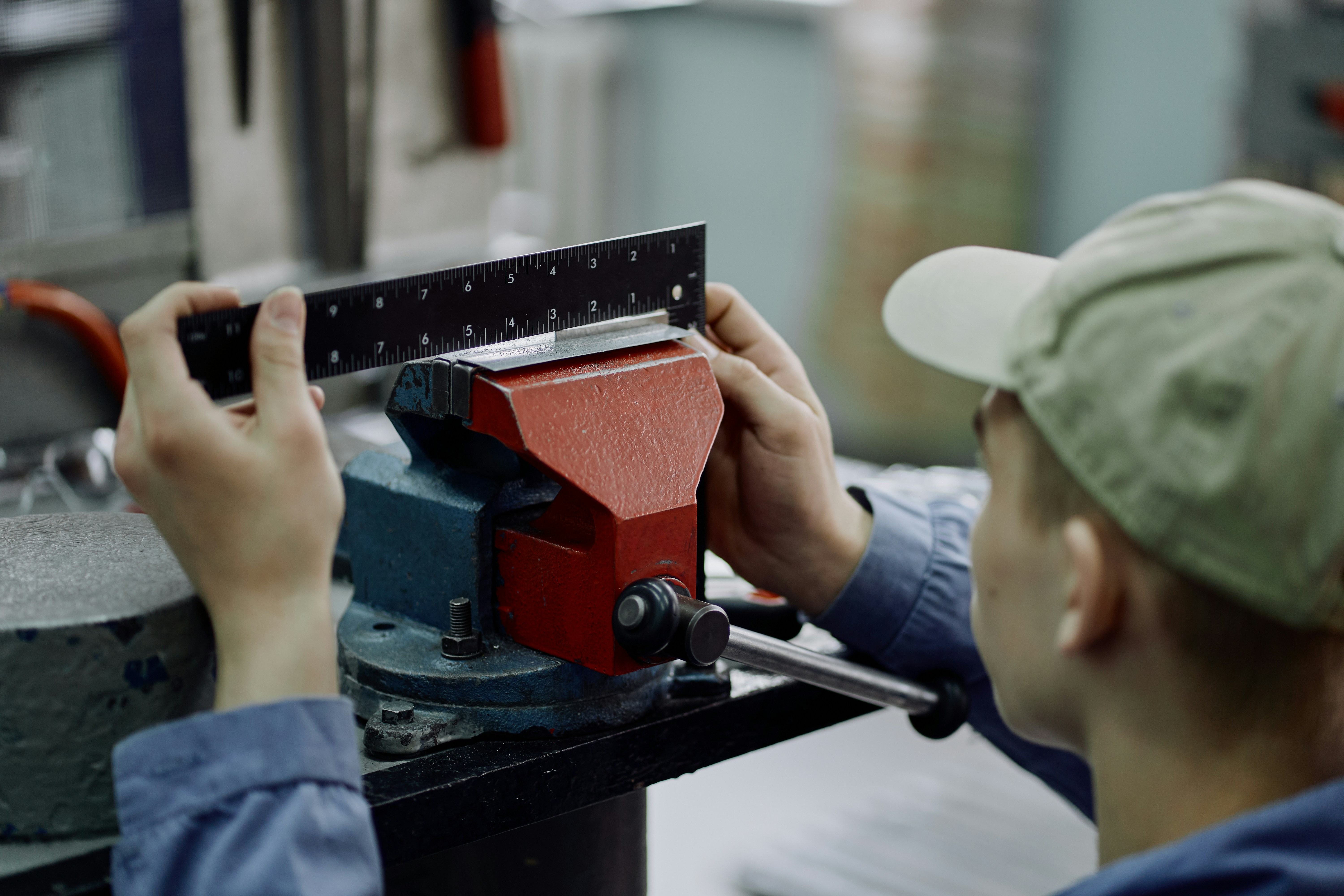
The effectiveness of a sheetmetal enclosure is determined by how well it is tailored to its specific application. A generic, one-size-fits-all approach rarely provides the optimal protection, functionality, or longevity required for specialized equipment. True durability and performance come from a thoughtful process of customization, beginning with the selection of the right material and extending to a design that is purpose-built for its environment and use case. Every decision, from the type of metal used to the placement of every cutout and hinge, contributes to an enclosure that not only fits perfectly but also enhances the reliability and serviceability of the components within. This section explores the critical choices involved in creating a truly bespoke and resilient enclosure.
Choosing the Right Metal and Alloy for Your Sheetmetal Enclosure
The foundation of any durable enclosure is the material it's made from. The choice of metal and its specific alloy directly impacts the enclosure's strength, weight, corrosion resistance, and cost. A knowledgeable manufacturer can guide you through these options to find the perfect match for your needs.
Here are the most common materials used for sheetmetal enclosures:
- Carbon Steel (Cold-Rolled Steel): This is a strong, stiff, and cost-effective option ideal for general-purpose indoor enclosures. It provides excellent structural integrity and is easy to fabricate. However, it has poor corrosion resistance and must be protected with a finish like powder coating or paint to prevent rust.
- Stainless Steel: Known for its superior corrosion resistance and durability, stainless steel is a premium choice for harsh environments. It contains chromium, which forms a passive protective layer against rust and chemicals.
- Grade 304: A common choice for food processing, medical applications, and general industrial use where hygiene and corrosion resistance are important.
- Grade 316: Contains molybdenum, giving it enhanced resistance to chlorides and other corrosive agents, making it ideal for marine, chemical, and coastal environments.
- Aluminum: This material is prized for being lightweight and naturally corrosion-resistant due to the formation of a protective oxide layer. It also has excellent thermal conductivity, which can help with heat dissipation. While not as strong as steel, it offers a great strength-to-weight ratio, making it perfect for portable equipment or applications where weight is a critical factor.
- Galvanized Steel: This is carbon steel that has been coated with a layer of zinc to provide corrosion protection. The zinc acts as a sacrificial barrier, protecting the steel underneath from rust. It offers a good balance of durability and affordability, making it a popular choice for outdoor enclosures where cost is a primary concern.
An expert manufacturing partner will help you navigate these choices, ensuring the material selected provides the longevity and performance your application demands.
Balancing Strength, Weight, and Corrosion Resistance for Sheetmetal Enclosures
The ideal enclosure material rarely excels in all areas simultaneously. More often, the selection process involves a series of trade-offs between three key properties: strength, weight, and corrosion resistance. Understanding how to balance these factors is essential for creating an optimized design.
- Strength: This refers to the material's ability to withstand physical impact, vibration, and heavy loads without deforming. Steel offers the highest strength and stiffness, making it the best choice for heavy-duty industrial applications where ruggedness is paramount. Aluminum is less strong and may require thicker gauges or reinforced designs to achieve the same rigidity as steel.
- Weight: For applications involving portability, wall-mounting, or aerospace, minimizing weight is critical. Aluminum is the clear winner here, being significantly lighter than both carbon steel and stainless steel. This can lead to easier installation and reduced shipping costs.
- Corrosion Resistance: This is the material's ability to resist degradation from moisture, chemicals, and salt spray. Stainless steel offers the best inherent corrosion resistance, especially Grade 316, making it essential for marine, chemical, or wash-down environments. Aluminum also has good natural corrosion resistance. Carbon steel, on its own, has poor resistance and relies entirely on protective coatings like paint or powder coat.
A practical approach involves prioritizing these factors based on the application's environment and function.
| Material | Strength | Weight | Corrosion Resistance | Cost | Best For |
|---|---|---|---|---|---|
| Carbon Steel | High | Heavy | Low (requires coating) | Low | Indoor, cost-sensitive, heavy-duty applications. |
| Aluminum | Medium | Light | Good | Medium | Portable devices, weight-sensitive applications, outdoor use. |
| Stainless Steel | High | Heavy | Excellent | High | Harsh, corrosive, and hygienic environments (e.g., marine, food). |
| Galvanized Steel | High | Heavy | Medium-Good | Low-Medium | Budget-conscious outdoor applications. |
For example, an enclosure for a telecommunications tower in a coastal area would prioritize corrosion resistance (stainless steel) over weight. Conversely, a portable medical device would prioritize light weight (aluminum) over maximum strength.

Why Custom Designs are Essential for Specialized Sheetmetal Enclosure Applications
While standard enclosures meet basic needs, specialized industries require designs that are meticulously tailored to unique and demanding requirements. In fields like medicine, telecommunications, robotics, and renewable energy, a custom-designed enclosure is not a luxury—it's a necessity for ensuring functionality, safety, and reliability.
Here’s why custom designs are critical in these sectors:
- Precise Component Integration: Specialized equipment often contains proprietary circuit boards, power supplies, and sensors that don't fit into standard off-the-shelf boxes. Custom enclosures are designed with exact mounting points, standoffs, and brackets to secure these components perfectly, ensuring proper alignment and preventing damage from shock and vibration.
- Targeted Thermal Management: High-power electronics generate significant heat that must be dissipated to prevent overheating and failure. A custom enclosure can be engineered with specific ventilation patterns, fan cutouts, and heatsinks integrated directly into the chassis to create optimal airflow paths and maintain stable operating temperatures.
- Specific Accessibility and Serviceability: Equipment in the field needs to be easily accessed for maintenance and upgrades. Custom designs can incorporate strategically placed access panels, hinged doors, and quick-release fasteners that allow technicians to service internal components without disassembling the entire unit.
- EMI/RFI Shielding: Sensitive electronic devices must be protected from electromagnetic interference (EMI) and radio frequency interference (RFI). Metal enclosures provide natural shielding, and custom designs can enhance this with features like conductive gaskets, overlapping seams, and specialized coatings to ensure electromagnetic compatibility (EMC).
- Meeting Industry-Specific Regulations: Many industries have strict regulatory requirements. For example, medical devices may need to be made from specific biocompatible materials and have smooth, easily sanitized surfaces. A custom manufacturer can design and build an enclosure that meets these specific standards from the ground up.
By partnering with a manufacturer that specializes in custom solutions, you can develop an enclosure that is perfectly aligned with your application's unique challenges, ultimately leading to a more robust, reliable, and successful product.
Beyond the Build: How the Right Sheetmetal Enclosure Manufacturer Boosts Your Supply Chain
Choosing a sheetmetal enclosure manufacturer is more than a simple procurement decision; it's a strategic choice that has a significant impact on your entire supply chain. The right partner does more than just fabricate parts—they enhance your operational efficiency, mitigate risks, and contribute to your bottom line. They become an integral part of your production ecosystem, providing reliability and support that goes far beyond the physical product. A manufacturer that is aligned with your business goals can help you navigate market volatility, scale production seamlessly, and ultimately deliver a better product to your customers, faster.
Production Capacity and Reliable Delivery for Your Sheetmetal Enclosures
In today's lean manufacturing environment, "just-in-time" inventory models leave little room for error. A delay in receiving a critical component like an enclosure can bring an entire production line to a halt, causing a ripple effect of missed deadlines, increased costs, and damaged customer relationships. This is why evaluating a potential manufacturer's production capacity and their track record for on-time delivery (OTD) is absolutely crucial.
Evaluating Production Capacity: True capacity isn't just about the number of machines on a factory floor or the square footage of the facility. A comprehensive evaluation involves looking at several factors:
- Equipment and Technology: Do they have modern, well-maintained equipment capable of handling your required volume and precision?
- Skilled Labor: A manufacturer's real capacity is driven by the experienced operators, programmers, and technicians who run the equipment and solve problems.
- Scheduling and Process Control: Look for a shop with robust scheduling systems that provide real-time visibility into production queues and potential bottlenecks. This allows for accurate lead time estimates and proactive problem-solving.
- Scalability: Can the manufacturer handle your prototype and low-volume needs as well as scale up for full production runs without compromising quality or lead times?
The Importance of On-Time Delivery (OTD): A high OTD rate is one of the strongest indicators of a reliable supplier. Consistent, predictable deliveries build trust and offer several key advantages:
- Customer Satisfaction: Meeting delivery commitments is fundamental to customer loyalty. Late deliveries can tarnish your brand's reputation and lead to lost business.
- Operational Efficiency: Reliable delivery schedules allow for better production planning, reduced downtime, and optimized labor allocation.
- Competitive Advantage: In a crowded market, a reputation for reliability can be a powerful differentiator, attracting and retaining customers who value a predictable supply chain.
The Value of a Strong Supply Chain Partnership for Sheetmetal Enclosures
Viewing your sheetmetal enclosure manufacturer as a strategic partner rather than a transactional vendor can unlock immense value. A true partnership is a collaborative relationship built on trust, transparency, and shared goals, where your supplier becomes an extension of your own team.
Key benefits of a strong supplier-vendor partnership include:
- Improved Efficiency and Cost Reduction: A long-term partner gains a deep understanding of your product and processes. They can proactively suggest design modifications (DFM) or material changes that reduce costs, streamline assembly, and improve performance. This collaborative approach helps eliminate waste and optimize the entire value stream.
- Enhanced Innovation: When suppliers are treated as partners, they are more willing to invest in solutions that support your growth. This could involve developing custom manufacturing techniques, sourcing specialized materials, or adopting new technologies to meet your evolving needs.
- Greater Supply Chain Resilience: A strong relationship fosters open communication and transparency. Your partner is more likely to provide early warnings about potential disruptions—be it material shortages or logistical challenges—and work with you to develop contingency plans. This proactive approach helps mitigate risks and navigate market volatility more effectively.
- Flexibility and Responsiveness: A trusted supplier who understands your business is more likely to accommodate urgent requests or adapt to sudden changes in demand. This flexibility is invaluable in today's fast-paced market, allowing you to respond to opportunities and challenges with greater agility.
By moving beyond a purely transactional relationship, you can build a resilient and efficient supply chain that provides a significant competitive advantage.
Important Questions to Ask Your Sheetmetal Enclosure Manufacturer
To properly vet a potential manufacturer and ensure they are the right strategic partner for your business, it's essential to ask targeted questions that go beyond price and lead time. This due diligence can save you from costly mistakes down the road.
Here is a comprehensive list of questions to guide your evaluation process:
About Capabilities and Processes:
- What percentage of your fabrication processes (e.g., cutting, bending, welding, finishing, assembly) are handled in-house versus subcontracted?
- Can you provide a list of your core equipment and machinery?
- What is your experience in manufacturing enclosures for our specific industry (e.g., medical, telecommunications, industrial)?
- Do you offer Design for Manufacturability (DFM) analysis as a standard part of your quoting and onboarding process?
- How do you manage production scheduling and capacity to ensure you can meet promised lead times?
About Quality and Compliance:
- What quality certifications do you hold (e.g., ISO 9001:2015, AS9100)?
- Can you describe your quality control process, from raw material inspection to final product verification?
- What is your experience with NEMA and UL standards, and can you provide examples of certified products you have manufactured?
- How do you handle non-conformance or quality issues when they arise?
- Can we audit your facility and quality systems?
About Partnership and Logistics:
- How do you handle communication and project management? Will we have a single point of contact?
- What is your on-time delivery rate for the past 12 months?
- How do you manage your raw material inventory and supply chain to mitigate the risk of shortages or price volatility?
- What is your process for handling design revisions or changes once production has started?
- Can you provide references from clients in our industry or with similar project complexity?
The answers to these questions will provide deep insight into a manufacturer's capabilities, reliability, and suitability as a long-term partner.
Key Takeaways
Choosing the right sheetmetal enclosure manufacturer is a critical decision that extends far beyond the production floor, directly influencing your product's quality, your supply chain's efficiency, and your overall market success. To make an informed choice, it's essential to adopt a holistic evaluation process that balances technical capabilities with partnership potential.
First and foremost, a manufacturer's advanced manufacturing capabilities are the foundation of a quality product. Look for a partner who has invested in cutting-edge technology like CNC laser cutting, automated bending, and robotic welding. This machinery ensures the high precision and tight tolerances necessary for complex designs. However, technology alone is insufficient. The true value lies in pairing this equipment with an experienced design and engineering team. A strong engineering partner will collaborate with you on Design for Manufacturability (DFM), optimizing your design for cost-efficiency and performance, and helping you navigate the trade-offs between custom and standard solutions.
Secondly, you cannot overstate the importance of quality and compliance. The manufacturer you choose must have a deep and demonstrable understanding of critical industry standards like NEMA and UL. These ratings are not just labels; they are guarantees of safety and protection against environmental hazards. A NEMA 4X rating ensures protection against corrosion, while UL certification provides third-party validation of safety and construction. Beyond certifications, a manufacturer's internal quality control system is paramount. This system should encompass every stage of production—from rigorous raw material inspection to in-process dimensional checks and final performance testing—to ensure every enclosure is durable and performs flawlessly.
Third, the ability to tailor the enclosure to your specific needs is what separates an adequate supplier from a great one. This begins with material selection. Whether your application demands the corrosion resistance of stainless steel, the light weight of aluminum, or the cost-effectiveness of carbon steel, your manufacturing partner should guide you to the optimal choice. This decision involves carefully balancing strength, weight, and corrosion resistance to match the enclosure's intended environment and function. Customization is especially critical for specialized applications, where off-the-shelf products fail to meet unique requirements for component integration, thermal management, or accessibility.
Finally, remember that you are not just buying a part; you are selecting a strategic partner who will integrate into your supply chain. Evaluate their production capacity and track record for on-time delivery, as a single delay can disrupt your entire operation. Look for a partner who values long-term collaboration, demonstrating transparency, and a willingness to help you solve problems and innovate. By asking insightful questions about their processes, quality systems, and communication practices, you can vet their potential as a reliable extension of your own team. A strong partnership will yield benefits far beyond the enclosure itself, fostering resilience, efficiency, and sustained growth for your business.
Frequently Asked Questions (FAQ)
1. What is the typical lead time for a custom sheetmetal enclosure?
Lead time for a custom enclosure can vary significantly based on several factors, including design complexity, material availability, the manufacturer's current production schedule, and finishing requirements. Generally, you can expect a lead time of 4 to 8 weeks from the final approval of the design. Simple designs with common materials may be faster, while complex enclosures requiring special tooling, non-stock materials, or multi-step finishing processes (like powder coating plus silkscreening) can extend toward the longer end of that range or beyond. It is always best to discuss lead times with your manufacturer early in the quoting process.
2. What information do I need to provide to get an accurate quote for a custom enclosure?
To receive the most accurate quote, you should provide as much detail as possible. The ideal information package includes:
- 3D CAD Models and 2D Drawings: These are essential for defining the enclosure's geometry, dimensions, and tolerances.
- Material Specifications: Specify the type of metal (e.g., 5052 Aluminum, 304 Stainless Steel), thickness, and any required certifications.
- Finishing Requirements: Detail the desired finish, such as powder coat (with a specific color code), anodizing, or a grained finish.
- Hardware and Assembly: List any required hardware (e.g., PEM inserts, standoffs, hinges, latches) and specify if the manufacturer should install them.
- Quantity and Required Delivery Date: Provide the expected order quantity (for both prototype and production runs) and your target delivery timeline.
- Application and Environmental Conditions: Describing where and how the enclosure will be used helps the manufacturer provide recommendations on NEMA/UL ratings and material choices.
3. How much more expensive is a custom enclosure compared to a standard one?
The cost difference depends heavily on volume and complexity. For a single unit or very small quantity, a custom enclosure will be significantly more expensive than a standard one due to the engineering, setup, and programming costs. However, as production volume increases, the per-unit cost of a custom enclosure decreases dramatically. For large production runs, a custom enclosure designed for manufacturability can sometimes be even more cost-effective than modifying a standard box, because it eliminates downstream labor costs for drilling, cutting, and custom fitting. The initial investment in a custom design often pays for itself through simplified assembly and a perfect fit.
4. What are the most common finishing options for sheetmetal enclosures and why are they important?
Finishes are applied for both protection and aesthetics. The most common options are:
- Powder Coating: A durable and corrosion-resistant finish created by applying a dry powder electrostatically and then curing it under heat. It is available in a wide range of colors and textures and provides excellent protection for carbon steel.
- Anodizing: An electrochemical process used for aluminum that creates a hard, durable, and corrosion-resistant oxide layer on the surface. It can be dyed in various colors but is most often seen in clear or black.
- Painting (Wet Paint): A traditional liquid paint application that offers a wide range of color options and is suitable for specialized applications, such as meeting specific military or medical finish requirements (e.g., CARC paint).
- Plating (e.g., Zinc, Nickel): A process where a thin layer of another metal is bonded to the surface to provide corrosion resistance and/or conductivity. Zinc plating is common on steel fasteners and components.
- Silkscreening: A printing process used to apply logos, labels, and text directly onto the finished surface of the enclosure. This is crucial for branding and operational instructions.
5. What is Design for Manufacturability (DFM) and why is it important for my enclosure project?
Design for Manufacturability (DFM) is a collaborative engineering practice where the manufacturer reviews your design to identify potential improvements that will make the part easier, faster, or less expensive to produce without sacrificing its intended function. For sheetmetal enclosures, this could involve suggesting changes to bend radii to prevent material cracking, adjusting tolerances on non-critical features to reduce machining time, or reorienting features to simplify the fabrication process. Engaging in a DFM review with your manufacturer early on is crucial because it helps you avoid costly redesigns, improves the quality and consistency of your product, and can lead to significant cost savings over the life of the project.
By keeping these tips in mind, I know you can find an awesome sheetmetal enclosure manufacturer that fits your needs perfectly. The process of selecting a manufacturing partner is a significant investment of time and resources, but it's one that pays dividends when done correctly. A great partnership with a manufacturer means not only receiving high-quality sheetmetal enclosures but also ensuring the overall success of your project through reliable delivery, expert support, and a resilient supply chain. I hope this guide helps you make a super informed decision for your next sheetmetal enclosure project and empowers you to build a lasting and valuable business relationship.