5 Benefits of Using Metal Industrial and Electrical Equipment Cabinets in Industrial Settings
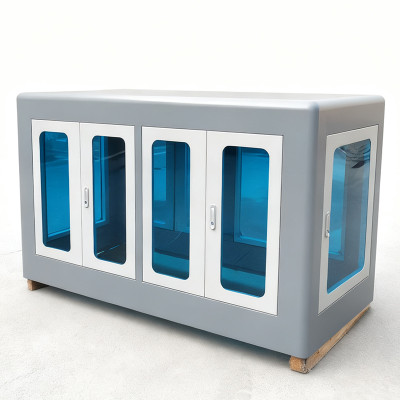
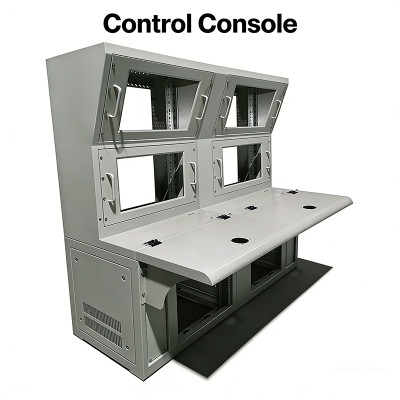
As an expert in industrial equipment, I've seen firsthand how critical robust protection is for electrical systems. Industrial and electrical equipment cabinets, especially those made of metal, are the unsung heroes of manufacturing, energy, and telecommunications, safeguarding sensitive components from a myriad of threats.
These specialized cabinets do more than just house electrical components; they are essential for ensuring safety, maintaining operational integrity, and extending the lifespan of valuable equipment. In this blog post, I'll delve into the five key benefits that metal Industrial and Electrical Equipment Cabinets offer in various demanding settings.
Key Takeaways
- Unmatched Durability: Metal cabinets, particularly those made from stainless or carbon steel, offer superior protection against physical impacts, vibrations, and harsh industrial conditions.
- Comprehensive Environmental Shielding: These enclosures are engineered to protect against environmental hazards like dust, water, moisture, and corrosive agents, with their level of protection standardized by NEMA ratings.
- Enhanced Safety and Security: By restricting access to hazardous components, offering fire resistance, and preventing unauthorized entry, metal cabinets are crucial for personnel safety and operational security.
- Optimized Performance via Temperature Control: Metal cabinets facilitate thermal management solutions like fans and air conditioners, preventing overheating and ensuring components operate within their ideal temperature range for maximum longevity and reliability.
- Cost-Effectiveness and Customization: While the initial investment might be higher, the long-term durability and reduced maintenance of high-quality metal cabinets lead to a lower total cost of ownership. They also offer extensive customization options to meet specific application needs.
Unmatched Durability and Environmental Protection in Industrial and Electrical Equipment Cabinets
The foundational benefit of using metal for industrial and electrical equipment cabinets is its inherent strength and resilience. In environments where machinery, moving vehicles, and daily operations create a high-risk setting, the enclosure acts as the first and most critical line of defense for the sensitive electronics within.
Built to Withstand Harsh Conditions
Industrial settings are, by nature, unforgiving. From the factory floor to outdoor utility installations, electrical equipment is constantly exposed to mechanical stress. Metal enclosures, particularly those constructed from heavy-gauge steel, provide exceptional protection against these physical threats.
Steel's high tensile strength and impact resistance make it an ideal material for environments where accidental collisions from forklifts, carts, or falling tools are a real possibility. While basic carbon steel is strong and cost-effective, it requires a protective coating to prevent rust. For superior durability in the harshest environments, stainless steel is often the preferred choice. It contains a minimum of 10.5% chromium, which creates a self-healing passive layer of chromium oxide on the surface, providing inherent resistance to corrosion and eliminating the need for paint or coatings that can chip or wear over time.
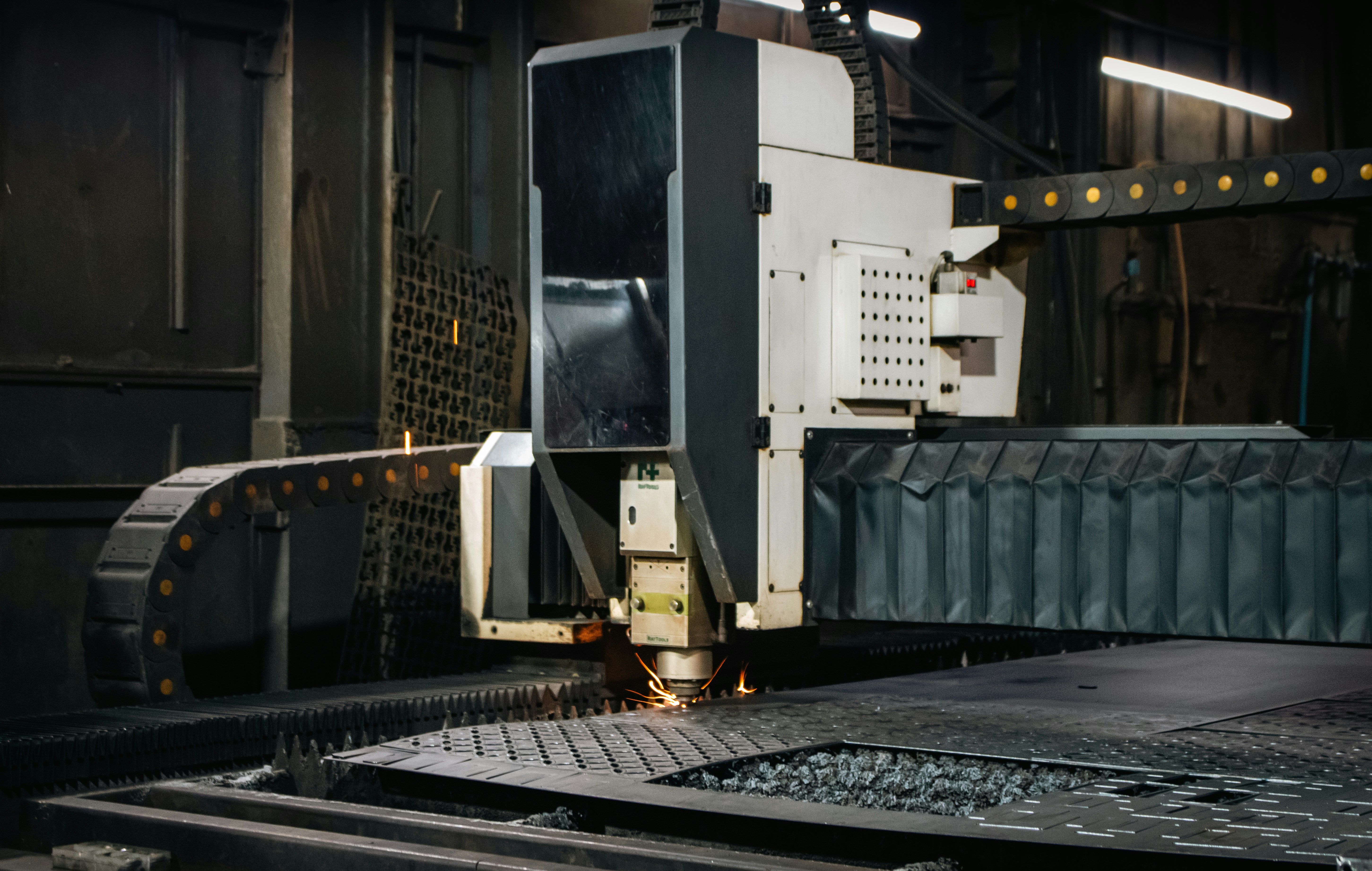
Beyond impacts, industrial environments are often rife with vibrations from heavy machinery, generators, or transportation. These constant, low-amplitude vibrations can cause micro-fractures in circuit boards, loosen connections, and lead to premature component failure over time. Metal cabinets can be engineered with shock and vibration isolation systems, such as elastomeric mounts or specialized dampers, which absorb and dissipate these harmful frequencies, ensuring the electronic components inside remain stable and functional. This capability is critical in applications within defense, transportation, and heavy manufacturing, where reliability is non-negotiable. All-welded construction further enhances the rigidity and durability of the unit, ensuring it can withstand significant physical stress.
Shielding from Environmental Elements
Beyond physical impacts, environmental hazards pose a significant threat to electrical systems. Dust, moisture, and corrosive chemicals can infiltrate improperly sealed enclosures, leading to short circuits, overheating, and rapid degradation of components. Metal cabinets are designed to provide a sealed barrier against these elements.
Common Materials and Their Protective Qualities:
| Material | Key Protective Features | Best Use Cases |
|---|---|---|
| Carbon Steel | High mechanical strength and impact resistance. Requires a protective finish like powder coating for corrosion resistance. | General-purpose indoor applications where physical robustness is key and exposure to moisture is minimal. |
| Stainless Steel | Inherently resistant to rust, corrosion, and chemicals due to its chromium content. Offers excellent durability and is easy to clean. | Food processing, chemical plants, marine environments, and any setting with high humidity or exposure to corrosive agents. |
| Aluminum | Lightweight with natural corrosion resistance due to its oxide layer. Excellent for heat dissipation. | Outdoor applications, telecommunications, and situations where weight is a concern. |
The effectiveness of an enclosure's seal is paramount. High-quality metal cabinets utilize features like continuously welded seams and polyurethane gaskets to create a tight seal around doors and access panels. These gaskets are designed to resist compression set, chemicals, and temperature fluctuations, ensuring a reliable barrier against dust and water ingress for years. Gasketed doors effectively seal the cabinet's contents from airborne contaminants and non-pressurized liquids like water and oil. For enhanced longevity, especially in outdoor applications, surface treatments like powder coating or hot-dip galvanizing are applied to materials like carbon steel, dramatically increasing their resistance to rust and UV degradation.
NEMA Ratings: Our Guide to Specific Protection Levels for Industrial and Electrical Equipment Cabinets
To standardize the level of protection an enclosure offers, the National Electrical Manufacturers Association (NEMA) has established a rating system. This system is critical for engineers and facility managers, as it defines an enclosure's ability to protect its contents from specific environmental conditions. Choosing the correct NEMA-rated enclosure prevents environmental interference, optimizes performance, and reduces the risk of equipment damage and costly downtime.
It is a common misconception that a higher NEMA number equates to better protection; instead, each number corresponds to a specific set of protective capabilities.
Here is a breakdown of common NEMA ratings for metal cabinets:
| NEMA Rating | Protection Against | Typical Application |
|---|---|---|
| NEMA 1 | Falling dirt, accidental contact with live parts. | Indoor, general-purpose use in clean, dry environments. |
| NEMA 3R | Rain, sleet, snow, and external ice formation. | Outdoor use for components like utility boxes and lighting contactors. |
| NEMA 4 | Windblown dust, rain, sleet, snow, splashing water, and hose-directed water. | Indoor or outdoor applications requiring washdowns or exposure to pressurized water streams. |
| NEMA 4X | Same as NEMA 4, plus significant corrosion resistance. | Marine, coastal, and chemical plant environments where salt spray or corrosive chemicals are present. |
| NEMA 12 | Falling dirt, circulating dust, lint, fibers, and dripping or light splashing of non-corrosive liquids. | Indoor industrial settings like automation, manufacturing, and packaging facilities. |
| NEMA 6P | Same as NEMA 4, plus protection against temporary or prolonged submersion at a limited depth. | Applications in manholes, quarries, or other areas prone to flooding. |
Understanding these ratings is crucial. A NEMA 12 enclosure, for example, is perfect for an indoor factory floor with airborne dust and dripping oil but would be unsuitable for an outdoor installation exposed to rain. Conversely, a NEMA 3R enclosure protects against rain but not against windblown dust. For applications in corrosive environments like food processing plants or coastal areas, a NEMA 4X rating is essential as it adds corrosion protection to the water and dust-tight capabilities of NEMA 4. Investing in the correct NEMA-rated enclosure ensures regulatory compliance and extends the lifespan of the equipment inside.## Enhanced Safety and Security with Metal Industrial and Electrical Equipment Cabinets
Beyond pure durability, metal industrial and electrical cabinets are fundamental to creating a safe and secure operational environment. They serve as a physical barrier, protecting personnel from electrical hazards while simultaneously safeguarding sensitive and critical equipment from unauthorized access, tampering, and even fire.
Protecting Personnel and Preventing Hazards
The primary safety function of an electrical enclosure is to prevent accidental contact with live parts. In any industrial setting, the risk of electrical shock, electrocution, and arc flash events is a serious concern. According to OSHA, there are between 5 and 10 arc flash incidents every day in the United States. Metal cabinets provide a robust, grounded barrier that is essential for compliance with workplace safety standards like OSHA and NFPA 70E.
An arc flash is a violent phenomenon where an electric current leaves its intended path and travels through the air, releasing extreme heat (up to 35,000°F), intense light, and a powerful pressure wave. A properly specified and installed metal enclosure is designed to contain the immense energy of an arc flash event, directing the blast away from personnel and preventing the ignition of nearby combustible materials. Steel, as a non-combustible material, will not contribute to a fire and maintains its structural integrity at high temperatures, which is critical for containment.
Furthermore, adherence to standards like the NFPA 70: National Electrical Code (NEC) is not just a best practice but often a legal requirement. These codes mandate specific installation practices, including the provision of sufficient working space around electrical equipment to permit safe operation and maintenance. OSHA standard 1910.303(g)(1) requires that a clear workspace of at least three feet deep and 30 inches wide be maintained, and the enclosure must allow for at least a 90-degree opening of its doors. A well-designed metal cabinet facilitates this by its very construction, ensuring compliance and a safer environment for electricians and technicians. Entrances to guarded locations with exposed live parts must be marked with conspicuous warning signs to forbid entry by unqualified persons.
Deterring Unauthorized Access and Tampering
Securing electrical equipment from unauthorized access is crucial for preventing vandalism, theft, and malicious tampering that could lead to operational sabotage or life-threatening safety breaches. Metal cabinets offer superior security compared to plastic alternatives due to their inherent strength and the variety of robust locking mechanisms they can accommodate.
A wide array of locking solutions are available, designed specifically for the demands of industrial environments. These range from simple keyed cam locks to more sophisticated systems:
- Heavy-Duty Padlock Hasps: These allow for the use of high-security padlocks and are a common, effective solution for many applications.
- 3-Point Latching Systems: These systems secure the door at the top, bottom, and center, providing significantly more resistance to prying and forced entry than a single-point lock.
- Electronic and Keypad Locks: In environments where multiple authorized users need access without the hassle of key management, keypad systems offer a convenient and secure solution with features like audit trails.
- Tamper-Proof Hardware: For publicly accessible or high-risk locations, enclosures can be fitted with tamper-resistant screws and concealed hinges, which require special tools to open and leave no obvious points of entry for would-be vandals.
The physical security offered by a heavy-gauge steel cabinet is a powerful deterrent. Its rigid construction is resistant to bending, cutting, and drilling, making brute-force entry extremely difficult. This level of security is essential for protecting critical infrastructure in sectors like telecommunications, traffic control, and utilities, where any disruption can have far-reaching consequences.
Fire Resistance of Metal Industrial and Electrical Equipment Cabinets
The fire-resistant properties of metal, particularly steel, add another critical layer of safety. Steel is a non-combustible material that can withstand high temperatures without losing its structural integrity, a vital characteristic in the event of a fire. This ensures that the cabinet can help contain a fire that starts inside, preventing it from spreading to the surrounding area.
Fire-rated enclosures are designed and certified to protect internal components for a specific duration, such as 30, 60, or even 120 minutes, during a fire. This protection is crucial for maintaining the function of emergency systems like alarms, sprinklers, and emergency shutdown controls, providing valuable time for personnel to evacuate safely. Standards like UL 1709 and BS EN 50200 are used to test and certify an enclosure's ability to resist fire, often involving exposure to extreme temperatures (e.g., 950°C to 1100°C) and sometimes even mechanical shock and water spray to simulate real-world firefighting conditions.
The choice of material is paramount. Stainless steel grades 304 and 316 are excellent for fire resistance, withstanding temperatures up to 925°C. The design of the enclosure, including features like double walls and the use of fire-retardant insulation, also plays a key role in its overall fire rating. By containing the fire and protecting critical circuits, metal cabinets not only safeguard assets but, more importantly, contribute to life safety in high-risk industrial, commercial, and public-facing environments.## Optimized Performance through Temperature Control in Industrial and Electrical Equipment Cabinets
The reliability and lifespan of electronic components are inextricably linked to their operating temperature. Excessive heat is a primary cause of premature failure in sensitive electronics like PLCs, VFDs, power supplies, and processors. Conversely, in cold environments, low temperatures can cause components to malfunction and condensation to form, leading to corrosion and short circuits. Metal industrial and electrical equipment cabinets provide the ideal framework for implementing effective thermal management strategies to counteract these threats.
Regulating Internal Climate for Longevity
Every electronic component generates heat during operation. When these components are housed within a sealed enclosure, that heat becomes trapped, causing the internal temperature to rise. It's a widely accepted rule of thumb in electronics that for every 10°C (18°F) increase in temperature above a component's ideal operating range, its expected lifespan is cut in half. This makes active thermal management not just a recommendation, but a necessity for ensuring system reliability and maximizing return on investment.
Metal cabinets are highly conducive to a variety of thermal management solutions:
- Forced Convection (Fans and Filters): The most common and cost-effective cooling method is using fan filter units. A fan is typically mounted at the bottom of the cabinet to draw in cool, filtered ambient air, creating positive pressure that forces hot air out through an exhaust filter at the top. This constant airflow prevents hot spots from forming and is effective as long as the ambient air is cooler than the desired internal temperature.
- Closed-Loop Cooling (Air Conditioners): In environments where the ambient temperature is high, or when a large amount of heat is generated inside the cabinet, an air conditioner is required. Cabinet air conditioners create a closed-loop system, sealing the enclosure from outside contaminants while actively cooling the internal air using a refrigerant cycle. This allows for precise temperature control, even cooling the interior to below ambient temperature, which is impossible with fans alone.
- Heat Exchangers: These devices transfer heat from the air inside the enclosure to the air outside without mixing the two air streams. They are a good solution for environments where the outside air is cool enough but may be dirty or corrosive, maintaining the integrity of a sealed enclosure.
The metallic construction of the cabinet itself can aid in heat dissipation. Aluminum, in particular, has high thermal conductivity, which helps radiate some heat away from the internal components. By maintaining a stable, controlled internal climate, you prevent the thermal stress that leads to component degradation, nuisance tripping of drives, and catastrophic failures.
Mitigating Risks of Temperature Extremes
Thermal management isn't just about cooling; it's also about managing cold temperatures and the humidity that accompanies temperature swings.
Condensation: The Silent Threat Condensation is one of the most significant dangers to enclosed electronics. It occurs when warm, humid air comes into contact with a surface that is colder than the air's dew point, causing water droplets to form. This is especially common in outdoor cabinets due to the natural temperature cycle between day and night. The resulting moisture can lead to short circuits, corrosion of circuit boards, and total equipment failure.
Metal cabinets provide several lines of defense against condensation:
- Proper Sealing: A well-sealed enclosure with a high NEMA or IP rating is the first step. Utilizing robotically applied foam-in-place gaskets ensures a complete, reliable seal that prevents moist ambient air from entering the cabinet.
- Heaters: In cold environments, or during periods when equipment is not operating and generating its own heat, anti-condensation heaters are essential. These devices, often controlled by a thermostat or hygrostat, raise the internal air temperature just enough to stay above the dew point, preventing moisture from forming. PTC (Positive Temperature Coefficient) heaters are a popular choice as they are self-regulating, preventing overheating and saving energy.
- Ventilation and Airflow: Keeping the internal air moving with fans or breather vents helps to equalize the temperature and humidity with the outside, preventing a significant temperature differential that can lead to condensation.
Extreme Cold: Low temperatures can also negatively impact electronics. LCD screens can become slow or freeze, battery capacity can diminish, and mechanical components can experience increased stress as materials contract. Cabinet heaters play a crucial role in these scenarios, maintaining a minimum operating temperature to ensure all components function as designed. By combining a securely sealed and insulated metal enclosure with the appropriate heating or cooling accessories, you can create a stable micro-environment that protects sensitive electronics from the full spectrum of temperature-related risks.## Cost-Effectiveness and Customization for Industrial and Electrical Equipment Cabinets
While the primary functions of industrial metal cabinets are protection and safety, their strategic value extends to significant financial benefits and operational flexibility. Investing in a high-quality, appropriately specified metal cabinet is not just an expense; it is a long-term strategy that lowers the total cost of ownership (TCO) and ensures that your infrastructure is perfectly aligned with your needs.
Long-Term Savings and Reduced Maintenance
When evaluating the cost of an electrical enclosure, it's crucial to look beyond the initial purchase price. The total cost of ownership includes not only the acquisition cost but also ongoing expenses related to operation, maintenance, and potential downtime. While a premium metal cabinet, such as one made from stainless steel, may have a higher upfront cost, it often proves to be the more cost-effective option over the product's lifecycle.
Here's how a quality metal cabinet delivers long-term savings:
- Reduced Downtime: Enclosure failure can lead to catastrophic damage to the expensive components inside, resulting in costly production stoppages. The superior durability and environmental protection of a robust metal cabinet prevent these unplanned outages, saving thousands of dollars in lost revenue and emergency repair costs.
- Lower Maintenance and Replacement Costs: Cheaply made enclosures with flimsy materials and subpar seals will require frequent maintenance and will need to be replaced more often. A well-built cabinet made from heavy-gauge, corrosion-resistant steel can last for decades, often outlasting the equipment it protects. This significantly reduces the recurring costs of labor and materials associated with repairs and replacements.
- Enhanced Equipment Lifespan: By protecting sensitive electronics from heat, moisture, dust, and physical impact, the enclosure directly contributes to a longer operational life for your critical assets. This extends the replacement cycle not just for the cabinet but for the valuable equipment it houses, maximizing your return on investment.
For example, a standard painted steel enclosure might seem like a bargain, but in a humid or corrosive environment, it will rust and require repainting or replacement within a few years. In contrast, a stainless steel NEMA 4X cabinet, though more expensive initially, will withstand those same conditions for much longer with minimal maintenance, proving to be the better long-term investment.

Tailored Solutions for Specific Industrial and Electrical Equipment Cabinet Needs
No two industrial applications are exactly alike. Standard, off-the-shelf enclosures can be a quick and affordable solution for common needs, but they often fall short when faced with unique spatial constraints, specialized equipment, or harsh environmental challenges. This is where the flexibility of custom metal fabrication becomes a major advantage.
Custom enclosures are designed and built from the ground up to meet precise specifications. This allows for:
- Optimal Space Utilization: Cabinets can be built to exact dimensions to fit into tight or irregularly shaped spaces, maximizing the use of valuable floor space.
- Precision Layouts: Custom cutouts for conduits, HMIs, buttons, and fans can be placed exactly where needed, simplifying installation and creating a cleaner, more organized layout.
- Integrated Features: A wide range of accessories can be factory-installed, including sub-panels, rack mounting systems, custom shelving, wire management, and thermal management solutions like fans or air conditioners. This turns the enclosure into a turnkey solution, saving significant time and labor on-site.
- Material and Finish Specification: You can select the precise material (e.g., 304 vs. 316 stainless steel), material gauge, and finish (e.g., custom powder coat colors for branding or coding) best suited for your application and environment.
Modular enclosure systems offer a hybrid approach, combining the flexibility of custom designs with the efficiency of standard components. These systems consist of a frame to which various doors, panels, and accessories can be added. This allows for a highly configurable solution that can be easily expanded or modified as needs change, providing a scalable and future-proof investment. Modular enclosures can be combined to create an assembly as large as necessary for an application.
By investing in a tailored solution, you ensure seamless integration with existing systems, improve workflow efficiency, and guarantee that your critical equipment has the exact protection it needs to perform reliably for years to come.
Conclusion
In my extensive experience, investing in high-quality metal Industrial and Electrical Equipment Cabinets is not merely a purchase; it's a strategic decision that underpins the reliability, safety, and efficiency of your entire operation. These robust enclosures are the frontline defenders of your critical systems, providing a secure and stable environment that allows sensitive electronics to function optimally despite the rigors of the industrial world.
By prioritizing durability, comprehensive protection, security, precise temperature control, and the flexibility of customization, we ensure that our critical electrical systems are well-prepared for any challenge the industrial environment presents. From the physical resilience of heavy-gauge steel to the tailored protection of NEMA ratings and the operational peace of mind offered by advanced security and thermal management, metal cabinets are an indispensable asset. They reduce long-term costs by minimizing maintenance and preventing catastrophic failures, ultimately delivering a superior return on investment and safeguarding both your equipment and your personnel.
Frequently Asked Questions (FAQ)
1. What is the difference between NEMA and IP ratings?
Both NEMA (National Electrical Manufacturers Association) and IP (Ingress Protection) are standards that define the level of protection an enclosure provides against solids (like dust) and liquids (like water). The key difference is that NEMA ratings, primarily used in North America, also include additional criteria such as protection against corrosion and performance in hazardous environments. IP ratings, which are used internationally, focus specifically on ingress protection with a two-digit code (e.g., IP66), where the first digit rates solid protection and the second rates liquid protection.
2. When should I choose a stainless steel cabinet over a painted carbon steel one?
You should choose a stainless steel cabinet for environments where corrosion resistance is critical. This includes outdoor installations, especially in coastal areas with salt spray, as well as indoor facilities with high humidity or exposure to chemicals, such as food and beverage processing plants or wastewater treatment facilities. While a coated carbon steel enclosure is durable, any scratch in the coating can become a point of rust, whereas stainless steel's corrosion resistance is inherent to the material itself.
3. How do I determine the right cooling solution for my electrical cabinet?
The right cooling solution depends on the internal heat load (how much heat your components generate) and the ambient environment.
- Fans and Filters: Use when the ambient air is clean and cooler than the desired internal temperature. This is a cost-effective solution for moderate heat loads.
- Air Conditioners: Necessary when the outside air is hotter than the desired internal temperature or if the environment is very humid or dusty. They create a sealed, closed-loop system for precise temperature and humidity control.
- Heat Exchangers: A good choice when the ambient air is cool but contaminated with dust, oil, or chemicals, as they transfer heat without mixing internal and external air.
4. Can a metal enclosure really contain an arc flash?
Yes, a properly rated and constructed metal enclosure plays a critical role in mitigating the dangers of an arc flash. The robust steel construction is designed to withstand the intense pressure and heat of the blast, containing the explosion and directing the energy away from personnel. This containment helps prevent the spread of fire and reduces the risk of severe injury to anyone nearby. It's a key safety feature mandated by standards like NFPA 70E.
5. Is a custom enclosure much more expensive than a standard one?
A custom enclosure typically has a higher upfront cost than a standard, off-the-shelf model due to design, engineering, and unique fabrication requirements. However, it can lead to significant long-term savings. By being tailored to your exact needs, a custom cabinet can optimize space, simplify installation and maintenance, and provide superior protection, which reduces downtime and extends equipment life. For unique or challenging applications, the return on investment for a custom solution is often very high.